What a fucking year. For games, yes, but also for this dumpster fire of… a world? Just my country? I dunno. I have moments of hopelessness, but overall I’m trying to focus on myself and dive even deeper into my hobbies. As mentioned in my last post, I really wanted/intended to write about the games I played as I played them this year, but that didn’t happen. I played a lot more games than I realized, so I wanted to at least do a sloppy catch-up post to get some of my thoughts down, even if I can’t dive as deep as I’d like into some of them. These are kinda in the order I played them in, -ish, and of course there are some [SPOILERS], even in screenshots. I mostly won’t be discussing games I’m still playing or replaying (Stardew Valley, Lake, EarthBound, etc.), with a couple exceptions (Phasmophobia and Sea of Thieves for PS5). Feel free to just search for games you’re interested in, or strap the fuck in and get ready to read the shit out of this behemoth of a post. I went a little overboard there, sorry. Let’s just get started.
The Legend of Zelda: Tears of the Kingdom
And what a game to start with. I’m embarrassed that I’m so far behind with blogging that I’m starting with a game I played a full year and a half ago, but here we are. This is one of those games I wish I had more time to dive deep into. I would spend approximately a dozen or so paragraphs on Purah alone, because I love her and want to smooch her sassy face, but we’ll get back to her soon enough.

There was some discussion about how Tears of the Kingdom was “more of the same,” when it came out, but I have to believe that was the typically loud and wrong gamer segment of social media. I’m actually down for some “more of the same” sequels from games, within a limit. The constant need for innovation and genre-defying revolutionary changes sometimes spoils a perfectly good thing. Again, there is a limit. I’m not saying all sequels should be slightly more polished versions of their predecessors, but there is nothing wrong with refinement and iteration. Having said all that, I don’t think that’s what’s happening in Tears of the Kingdom. At first glance, sure, the core experience seems the same. Same graphics and art style, music, characters, even the same primary map/world.


But as Zelda creator Shigeru Miyamoto has said, at the center of the Zelda experience is exploration. For most of the mainline games, the Zelda team have sought to stoke a sense of childhood wonder and curiosity in the player. A fear of dark caves and strange creatures, the thrill of discovering something completely new and unexpected. Trying to climb something you clearly shouldn’t be and eating shit. Breath of the Wild did this better than any other Zelda game I’ve played, and Tears of the Kingdom expands on it beautifully. What’s better than having an expansive world with tons of hidden places to explore? Well, how about a bunch of magical floating islands that are a blast to both traverse and also dive off of? How about a massive darker-than-dark underworld that is legitimately scary to explore and has cool skeleton horses you can ride around on? And THEN, the real kicker, what if you could engage that childlike part of your imagination and make all kinds of machines and vehicles using whatever you found around the world? Five-year-old me, who once made a “tank” out of an overturned wheelbarrow, two old tires, and a segment of aluminum rain gutter, is tickled. If Nintendo’s goal was to create a childhood fantasy simulator, mission accomplished.


I’ve written about my love of Breath of the Wild before, and much of what I loved in that game has returned here. The combat is simple but satisfying, the world is filled with interesting encounters and charming characters, and I still have a crush on Princess Zelda, who despite largely being MIA in this story is somehow even more of a badass. The fight with Ganondorf, where you beat his first phase and then his life bar just extends beyond the screen, was amazing. Like Breath of the Wild, Tears of the Kingdom’s story is fairly simple but told in fragments in whatever order you unlock them in. And I like the story well enough, but it’s the moments that make up the story that matter more to me. Spoilers, of course, but the whole broken Master Sword storyline, and having to recover it after all this time? You already got me hooked – but it’s how you recover it and the storyline behind it that made it so memorable for me. There are a few ways to get the sword, and though I wish I’d taken the route with the Dragon of Light because of story reasons, my path to the sword was still thrilling. Avoiding too many main quests, I found myself in a spooky, bespoiled Korok Forest, with the goal of cleansing the poor, sickly Great Deku Tree. I should note that I wasn’t particularly well-equipped to battle the shadow creatures at this point, and even the damned groping shadow hands were scary to me. So as I scraped along, progressing in my goal of helping the Deku Tree and sure I’d be rewarded with something incredible for doing so, I dropped down beneath the tree and found myself face-to-ugly-face with Phantom Ganon. “I’m dead,” I thought. But there was no way to escape, so I pulled out my best sword and shield, gave a hearty “HYAAAT” and leapt straight toward my inevitable death. Except I didn’t die. Because I am the best and most skilled gamer that has ever existed. Okay, that’s definitely not true, but it sure felt like it after many broken weapons, panicked dodge rolls, and half-skilled strikes, when I beat Phantom Ganon and made those bold and untrue claims to my cat.


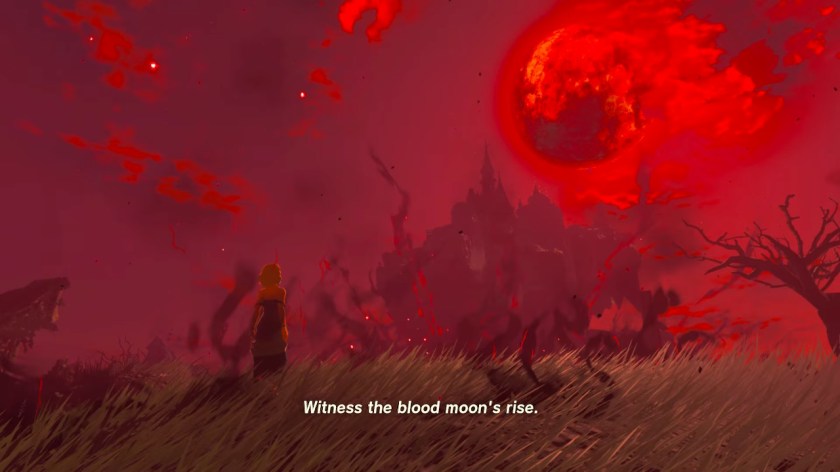
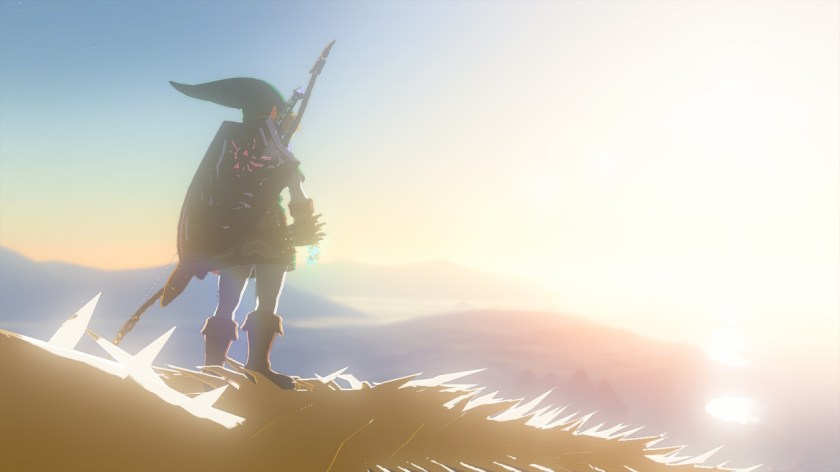
Claiming the sword a second time, kind of, after progressing the story and finding out that Princess Zelda willingly transformed into a dragon to restore the sword for a future Link to recover was even more epic, and I legit got misty-eyed more than a few times later in the game with story beats like that. It’s what I mean when I say the moments are what made it for me. The story in the game is good. But I’ll forget most of it at some point. I won’t forget diving off the back of my immortal love, who sacrificed herself to become a dragon, unsheathing the Master Sword, and landing on a similarly transformed dragon Ganondorf (Demon Dragon) to slash away at the corrupted pods on his back.
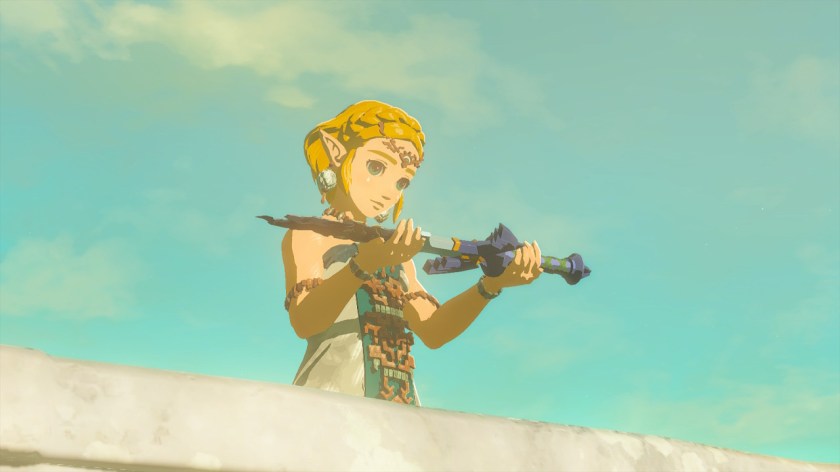

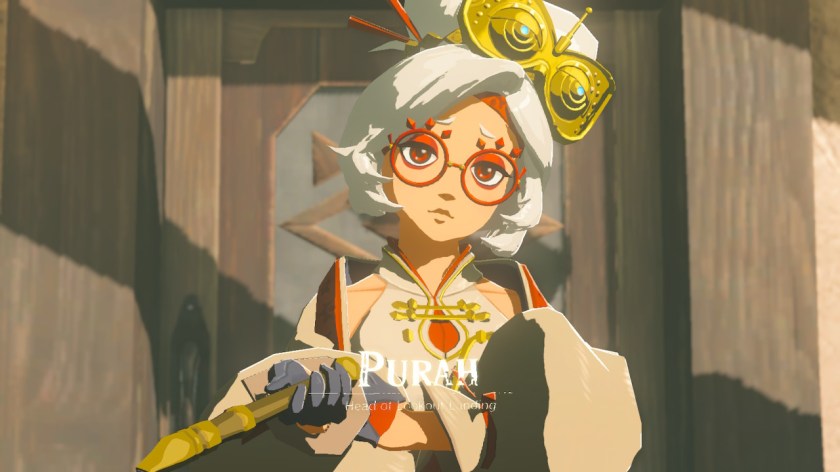
I will also never forget about Purah. In this game, Purah is a baddie. Not as in a video game enemy or villain. As in a Grade A, 10/10, blue ribbon baddie. A smokeshow. Or, as the internet has come to call her: Science Mommy. From the flirty, sassy attitude, to the bookish but stylish look, Purah can master my sword any day. Is that too crude? I don’t even care. I would risk it all for Purah. Zelda who? What, she disappeared and no one can pin down her location? Oh noooo, guess I’ll just hang out with my new bestie and bae, Purah. I kid, I kid, Zelda for life and all that. But, man. Purah can get it. And by “it” I mean my penis. Okay, okay, I’m done. Sorry. I’ll pine over her more in a future Video Game Crushes post, I’m sure.


Coffee Talk Episode 2: Hibiscus & Butterfly
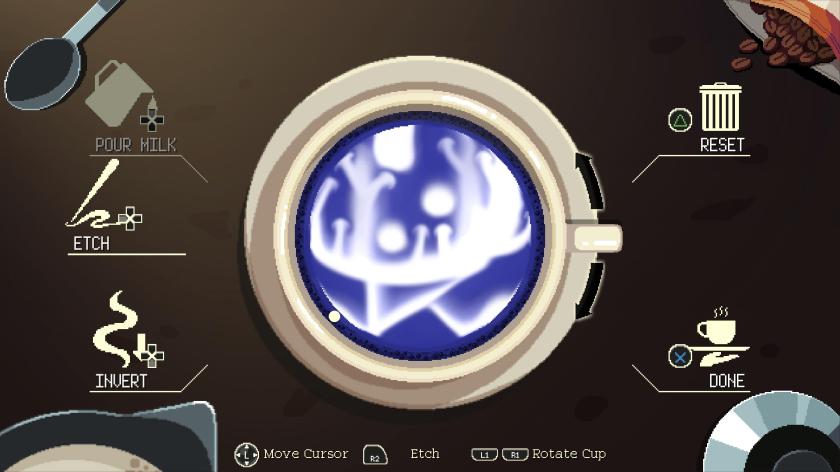
I spend a lot of my time doing stressful things in video games. The battle with Phantom Ganon mentioned above, for example. Phasmophobia, a game that made me stink-sweat when I first played it, is currently still in the rotation. But sometimes I just want to chill out and enjoy a nice cup of virtual coffee. Well, enjoy serving it to an eclectic group of colorful characters in a sleepy cafe in rainy Seattle, anyway. I really liked the original Coffee Talk, so I was excited that a sequel was released in such (relatively) short order. Hibiscus & Butterfly offered more of the same low-stakes, high-charm vibes that the first game did, which is a true balm in these trying times. It once again very much had me constantly craving coffee, tea, and hot chocolate, too. It’s always an odd point in a game’s favor when it gets me jonesing for something in real life. I was once again slightly disappointed that I didn’t have as much of a part to play in the character’s stories, especially with regards to romance (let me smooch these cuties, damn it), but I can’t say I was surprised, given that the first game was the same. Regardless, it was another very welcome, very adorable cozy game.


Final Fantasy XVI
Final Fantasy XVI is not, however, a very cozy game. It’s dark, occasionally very sad, and features bombastic battles between massive beings. So, yeah, not cozy, but still fun. I had a great time with FF XVI, but my opinions about it as a game/RPG and my opinions about it as a Final Fantasy game are very different. As an action RPG, I loved it. Incredible graphics, sound, and music, huge dramatic set pieces, stunning boss battles, and some touching character moments. But it truly does not feel like a Final Fantasy game to me. This is just my opinion, based on my own experience with the series, and I’m not saying that this disqualifies it as a good game, so put down the Tonberry knives.


While I played the original Final Fantasy for the NES when I was a kid, I didn’t really get into the games until Final Fantasy III (VI) on the SNES. I loved that game, and with each subsequent release in the series, I couldn’t help but compare them to it. Final Fantasy VII-IX didn’t ruffle my feathers too much, but when I saw the early screenshots and promos for Final Fantasy X, I was like “this does not look like Final Fantasy…” It was so colorful, the characters looked so… un-fantasy-like? There was a soccer-like game in it? It didn’t feel right to me. And then I played it. And loved it. And it did end up feeling like a real Final Fantasy game. I had similar thoughts about XII, which seemed like a wannabe-MMO, and XIII, which looked more like a stylish action game than a classic JRPG. And let’s not forget Final Fantasy XV. You’re a group of dudes going on a road trip? What? How is that remotely Final Fantasy? But, I have to admit, in every one of those examples, I ate my words. Sure, they strayed from the roots of the series in some elements, but after playing each of them for some time, some mystical combination of ingredients must have clicked for me, because I ended up feeling like they were all in their own unique way, very Final Fantasy.
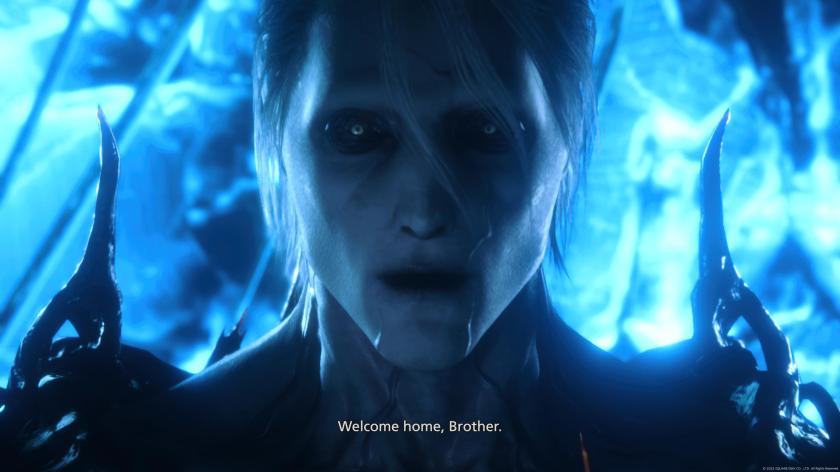

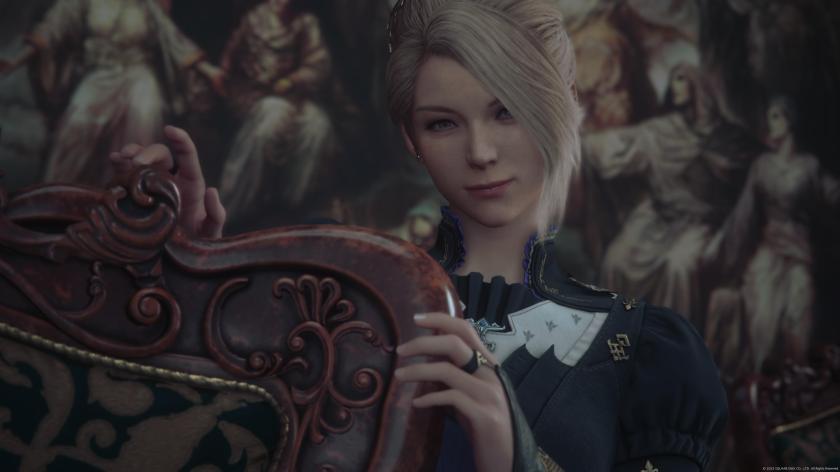
I never reached that point in Final Fantasy XVI. It had its moments, sure, but for the first time it felt as if the creators were looking to other pieces of media or art for inspiration rather than at their own legacy. I was satisfied, in the end, but as I beat it I couldn’t help but sadly think “maybe next time,” meaning maybe Final Fantasy XVII will be a return to the magic formula that makes Final Fantasy games feel like a unique blend of fantasy and tech, of romance and tragedy. That caveat aside, as I said, I did have a great time with it. It is a gorgeous game, with spectacular lighting and particle effects filling the screen during the epic boss fights. I often complain about the lack of summons in recent Final Fantasy games, spoiled by some of the older games that offered up to two dozen or more summons, so the fact that summons are the stars of the show in this game is huge. There, again, aren’t all that many, but they really take center stage and are given dazzling light shows and battle scenes with their special attacks. The Final Fantasy VII remakes have been scratching the nostalgia itch for Final Fantasy games of yore, and I did have a great time playing it, but I hope the next mainline installment is a bit more familiar, personally.


Goodbye Volcano High
Goodbye Volcano High was a charming surprise for me. I was fully hyped for the PlayStation 5, so when they showed this game as part of the PlayStation Future of Gaming event just before launch, I was intrigued. The art style seemed a little middle-school sketchbook to me (not in terms of skill, but the character designs/style, I guess), but the premise of a group of high schooler dinosaurs having to face the end of the world instantly hooked me. The game came out two years late, apparently due to narrative polishing and to avoid crunch, but it sure seems like those were two years well spent. I went into this game feeling intrigued. I came out of it feeling in love. With the characters, the story, the art, the music. I love to be surprised by games like this.

First, let me say I really dug (get it? Because they’re dinosaurs? I know, I know… clever girl, right? Because Jurassic Park? Which is also about dinosaurs? Okay, stop flirting with me and let’s get back to the game) the whole high school band plot. As someone who was bad at an instrument in high school and still somehow sure he’d be famous for playing it, I related to much of the strife and conflict at play, and felt a surge of pride and excitement when these characters overcame them to find their own version of success (not to mention when I nailed the hardest rhythm section to score a trophy). The backdrop of the impending world-ending meteor provided such an interesting point of conflict in many of the relationships. These characters were already dealing with the kind of social and interpersonal struggles of high school life we’re all familiar with, and now the meteor is ratcheting some of those issues way up. These characters know there is a strict time limit on figuring out their shit, and it makes some scenes that much more emotional.


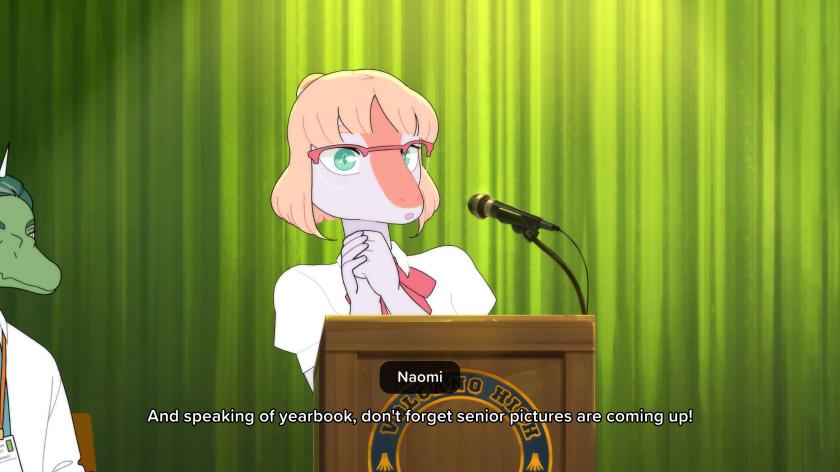
More specifically, I really liked the relationship between Fang and Naomi. I didn’t know if there were romance/dating options in the game, but as soon as I saw Naomi I thought she’s cuuuuuute. And when Fang started receiving mysterious, anonymous texts from what seemed like someone crushing on them, I hoped so hard that it was Naomi. The whole thing with the Sailor Moon (Pretty Heroes) cosplay, and her showing up to the show wearing it to surprise Fang? My heart melted as if it had been hit by a meteor approximately 10-15 km wide. I also loved the D&D scenes, particularly the final, climactic one. It was very funny and charming, but also felt so powerful in terms of where these characters were at in the story and how near the end truly was. I haven’t platinumed this one yet, but I plan to. I’ll gladly play through it again to revisit my prehistoric friends.

Heart of the Woods
I bought Heart of the Woods solely for the pretty cover art. I was browsing Limited Run Games’ site, just looking at some of their recent releases, and the cover art for this game instantly caught my eye. Gorgeous cover art? Visual novel? Only $35 for a physical copy? Bam, straight to the cart. Visual novels are interesting to me because I feel like they’ve grown in popularity in recent years because they’re much easier to develop than other types of games (mostly static art assets, limited or no mechanics or systems to build, no 3D worlds or spaces to design, etc.). For a host of young writers who might otherwise be self-publishing or sharing their work in online spaces, they offer a novel way to reach audiences (and merge their love of writing and games, I imagine). This does mean that you get a range of experiences with the writing in visual novels, and Heart of the Woods is a prime example. There is a lot of good writing here, some interesting character work, and plenty of charm. But it’s also a bit wordy and bloated and might have benefitted from some trimming down. I’m glad these kinds of games exist, though, because even when the presentation isn’t particularly award-winning, I can usually feel the developer’s passion for the material, as I can here. I don’t regret taking a chance on the game with the pretty cover art.

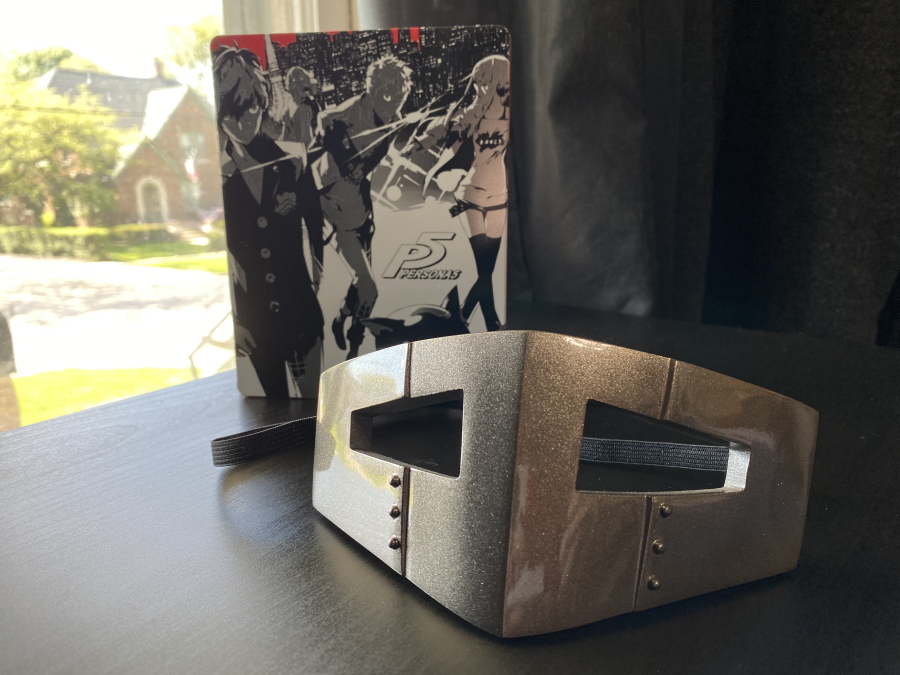
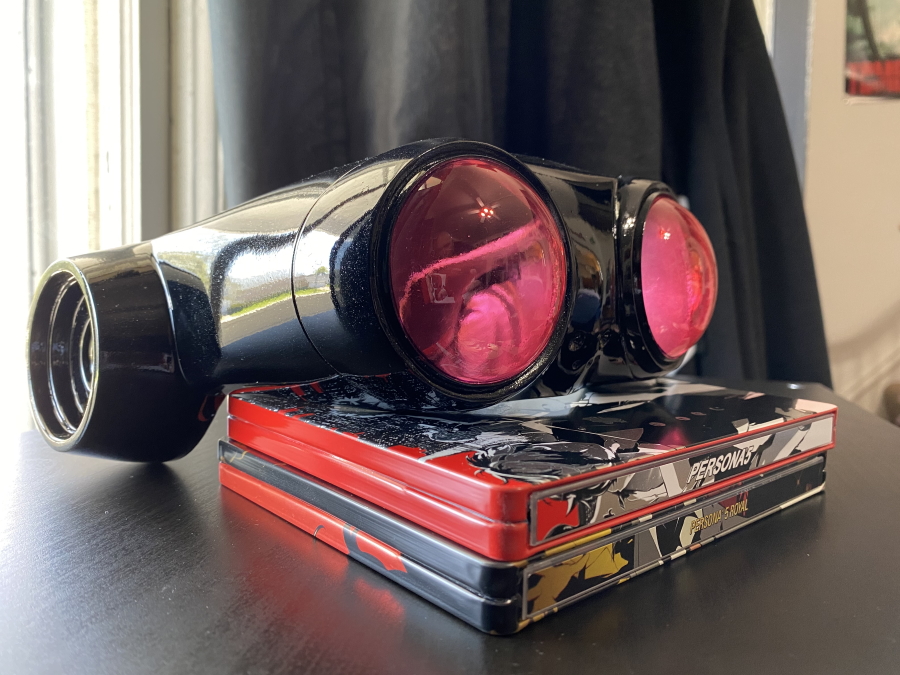
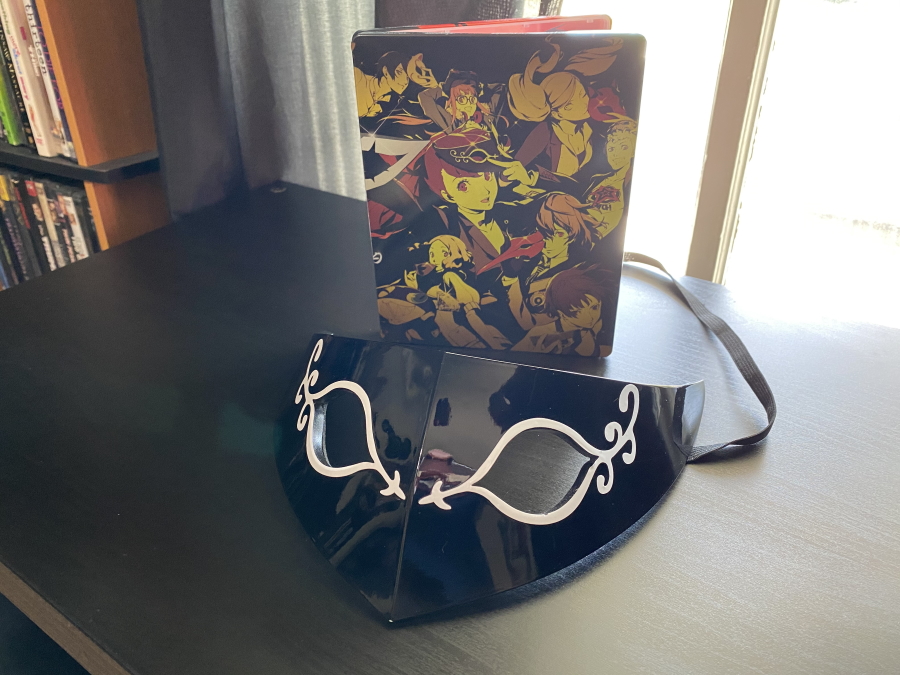
Persona 3 Reload
Phew. This is one of the games I wish I had time to devote a whole post to. Or a book. Or an anthology. I’ve made no attempt to hide my love of the Persona games, and like many fans I was calling for a remake of Persona 3 for years. I played Persona 5, then Persona 4 Golden, then Persona 3 Portable. What struck me about playing them in that order was that I could see the evolution of P-Studio’s style and design. I was shocked that Persona 4 Golden felt so very much like Persona 5. I’m used to RPG series that try to revolutionize or innovate with each new title, so it was weirdly refreshing to see that P-Studio is more about iteration and refinement. The core Persona magic is there in Persona 4 Golden, with slightly less flash and style, and the same can be said of Persona 3. It’s not as flashy and polished as Persona 4 and 5, but the formula is there. So, as I did with the other two games, I loved my time with Persona 3 Portable.
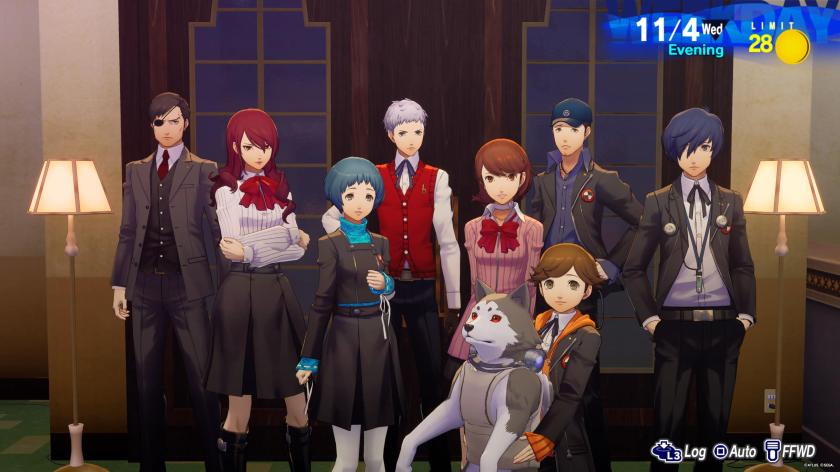


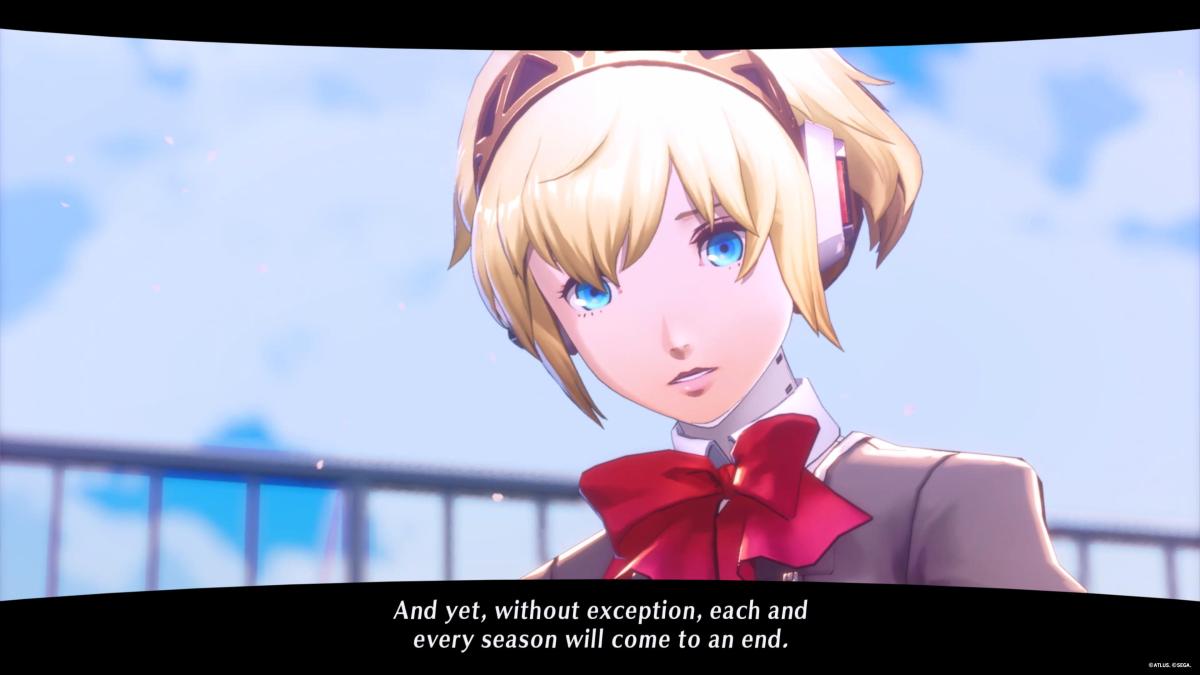
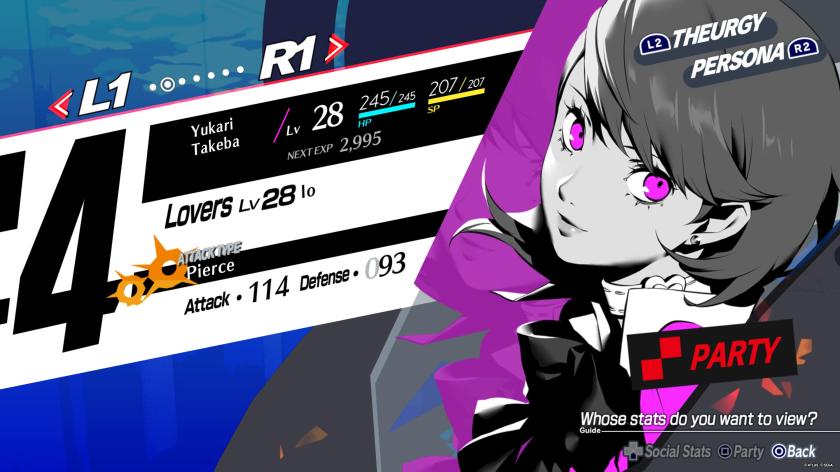
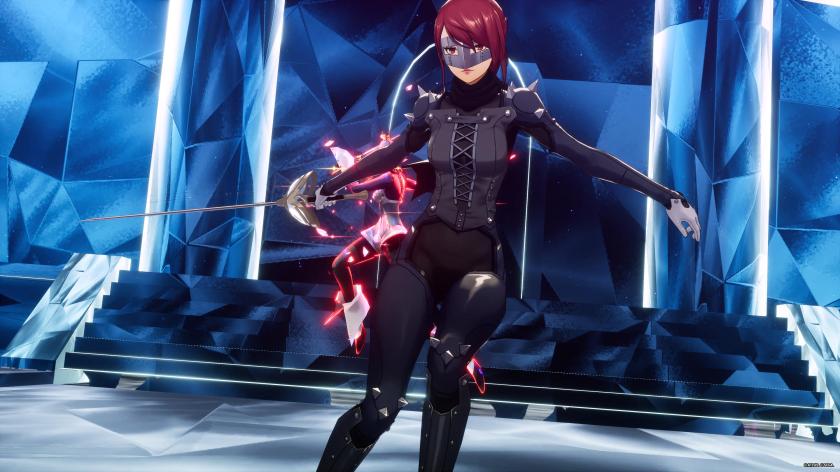
So when they announced that the new Persona 3 was going to not just be a remaster (which also came out, hah) but a full remake in the style and engine of Persona 5? [Huge SPOILER for the sake of a dumb joke] Like the protagonist, I just straight up died. And it turned out to be just what I’d hoped for. Intact was the dark, twisted story, the incredible character moments, my girl Mitsuru. But now the game has the same vibrant style and sheen of Persona 5, with a ton of minor (and not-so-minor) quality of life upgrades, like new activities to do with social links, Shifting (Baton Pass), All-Out Attacks, smoother traversal, and more. I was a little wary of having new voice actors, but I did understand the reasoning (wanting to give younger talent a shot, especially because I imagine there will be spin-offs and other content coming later). I was especially worried about Aigis, because I thought Karen Strassman did such an amazing job in the role (as she has in everything I’ve heard her in). But the new cast really made the characters their own, and I was excited to hear many of the original voice cast (like Strassman, Michelle Ruff, Yuri Lowenthal, and more) in supporting roles throughout the game.

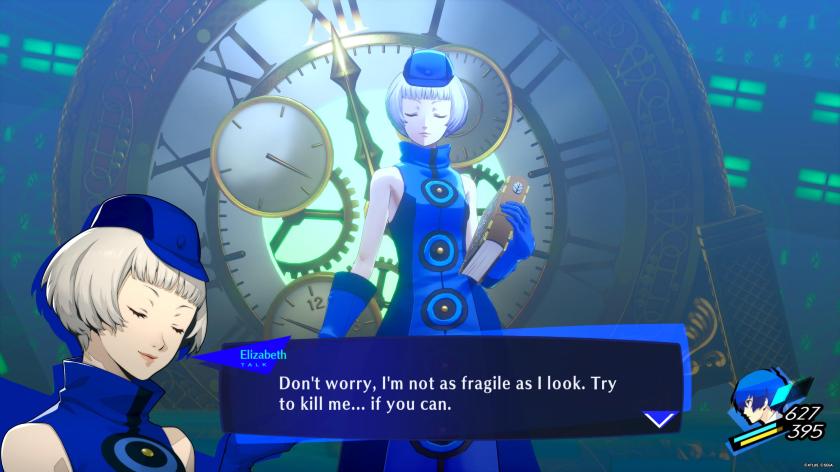
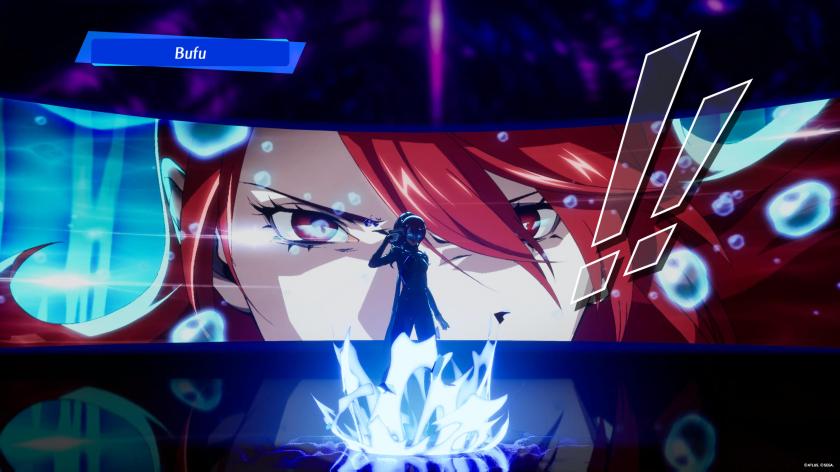
So, yeah, I loved this game. Again. Cried my eyes out at the ending. Again. Romanced Mitsuru. Again. I got the platinum and will almost certainly play again someday. I haven’t yet played the expansion, Episode Aigis, but I might do that very soon. I’m also about to start Metaphor: ReFantazio, which I hear is another P-Studio banger, and I have my fingers crossed so hard they’re fusing into one big, freaky finger that we’ll see a teaser for Persona 6 sometime in 2025. Yes, I know it’s probably still a few years away, but just gimme a lil taste. Just a little crumb of art or a cheeky “Ready for more?” voice line over a black screen with a title and vague release window. I will take it. I love Persona so much.


Marvel’s Spider-Man 2
Speaking of things I love, the Spider-Man games and Tom Holland Spider-Man movies have seismically shifted the needle for me with the quip-slinging web shooter. I read some Spidey comics as a kid, I really liked Spider-Man and Venom: Maximum Carnage for the SNES, and the Tobey Maguire trilogy was my proverbial jam. But the recent games and movies, including the Spider-Verse movies, have just been so damned good, and Marvel’s Spider-Man 2 is no exception. It has the same blockbuster setpieces and AAA shine as the previous games, but it really delivers on the relationships between characters and the depiction of Venom in a way that pleasantly surprised me.


I got misty-eyed multiple times, and I really liked the quieter character moments, like riding bikes with Harry, doing street art as Hailey, the stuff with Miles and his Uncle, the homecoming side-quest, and more. The Pete and Miles combo worked so much better than I thought it might, with their distinctive combat styles feeling much more intuitive to switch between than I thought they would be. Plus Tony Todd as Venom? A slew of new Spidey suits to unlock and switch between? The Mysterio levels? Wraith? I feel like I’m forgetting more than I’m remembering about this game, which might seem like a dig. What I mean is that it’s filled with tons of fun content, missions, nods, and activities despite not having an aggressively bloated length. And, in the end, swinging around the city as (a) Spider-Man is just really fucking fun.


The Dark Pictures Anthology: The Devil In Me
I played this game as one of my Halloween/spooky season vibe-setters. I’d played all of the Dark Pictures Anthology games, plus Until Dawn and The Quarry, so it really was about time I got to this entry. Somehow I missed the press for this one, though, maybe because I knew I’d play it regardless. So I thought the story for this one was going to be about possession, like an Exorcist type of thing. Nope, hah. It was like Saw mixed with American Horror Story: Hotel. It might have the least likeable cast of the games I’ve played, but I did end up digging the game overall (enough to play through a few times to get the platinum trophy). It retains some of the jank from previous games, but there is something about the combination of realistic graphics and choice-based horror that really clicks with me. It’s probably middle of the pack in terms of my ranking of these games (plus Until Dawn and The Quarry), but I’m on board with them pumping more of these out.


Dredge
I downloaded Dredge to get a PlayStation Stars collectible, but I’d heard good things about it and it was spooky season so I decided to play it a bit beyond the intro to see if it might get its hooks in me. 35 hours and a platinum trophy later… yeah. I’d say it was pretty amazing. It has that cozy combination of simple mechanics and satisfying rewards, so once I started upgrading my ship and traveling beyond the relatively safe starting area, I was in deep. Unlocking new ship parts to access rarer fish, saving a dog (and a stranded researcher), slowly unraveling the mystery of my lack of memory, all while zipping here and there in my own little fishing boat? So good. There is a part of me that wanted a bit more hands-on sim-y type of mechanics, like in Far: Changing Tides, but the simple, easy path was also fulfilling in its own way. I loved this one.


Blair Witch
Blair Witch is such an interesting game. It lacks some of the gloss and polish of AAA games, and at times looks and plays like a game from a generation or two ago, but it certainly has grand ambitions, many of which it delivers on. It’s somehow not at all what I would have expected from a game based on the Blair Witch movie/lore, and also perfectly situated in the mythology. Sometimes I play a game and think “I don’t envy the person reviewing this…” and this was a prime example. Playing it doesn’t necessarily feel good. It doesn’t exactly look good. And it stumbles occasionally in delivering its story. But… it’s still good? Like, definitely worth playing? Particularly for fans of the greater Blair Witch universe, I would guess, but I also think fans of psychological horror will find it pretty interesting, if they can get past the lack of glamor and shine. I found it compelling enough to replay a few time-consuming sections to get the platinum trophy, for what it’s worth.


The Evil Within
The Evil Within is another very interesting horror game, but for very different reasons. A new horror game from Resident Evil director Shinji Mikami? Published by Bethesda? I’d heard mixed opinions when the game came out, but one refrain stuck: If you like Resident Evil, you should play this game. Hey, that’s me! I love Resident Evil! And somehow it took me until 2024 to play this game. But, I can say with no hesitation: They were right. Look, I won’t sit here and tell you this is a perfect game. The stealth sections are straight up trash. Some of the writing and acting is very hammy (though that does add some charm, like a good B horror movie). But it is very Resident Evil. Like, parallel universe Resident Evil 4 (or 4.5?) similar. It very liberally borrows from RE 4, with enemy-rush levels, crossbow snipers in and out of cover, traps, the mansion, chainsaw guys, spiky-masked guys, hidden statues, and much more. But RE4 was directed by Mikami as well, so… I dunno, I just would just have loved to have been a fly on the wall of the Capcom offices when this game came out, hah.
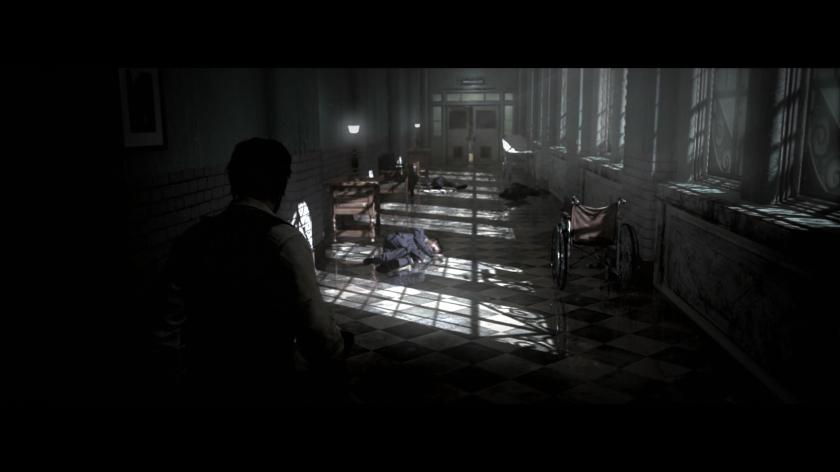
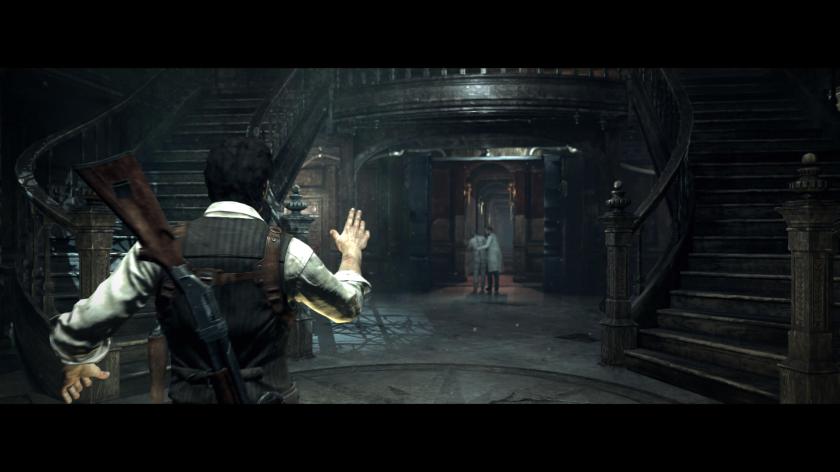
The stealth segments aside, I did enjoy my time with The Evil Within. It was, as promised, a hammy throwback to old-school survival horror. The shooting felt pretty decent, the increasingly horrific and twisted world was fun (well, horror game “fun”) to explore, and I may have developed a slight crush on the monotone asylum nurse. Because of course I did.


Until Dawn (Remastered)
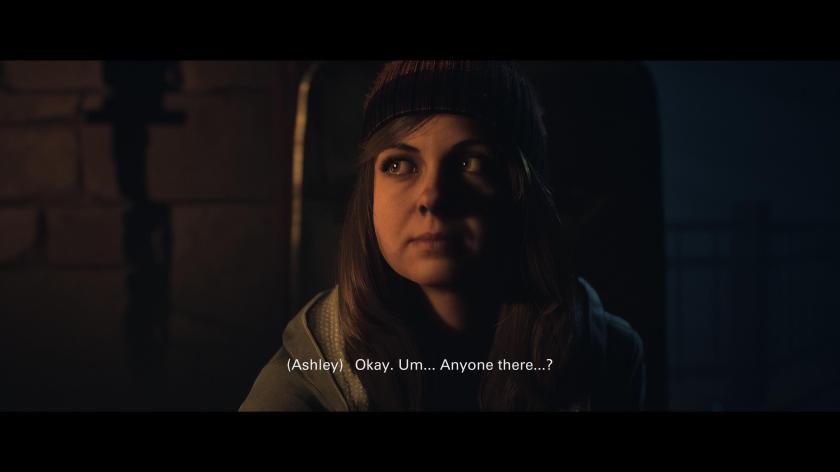
Getting the platinum trophy for a game doesn’t always mean I loved it, but it does often mean I liked a game enough to want to extend my time with it. I realized this because I did, in fact, love the original Until Dawn so much that I got my first platinum trophy for it. I’ve gushed about my love for that version already, so I’ll just say that I think this remaster does a nice job of harnessing the power of the PS5 to make a great looking game even better. Some of the facial expressions look a little weird on occasion, as they do in the original, but man do the environments look stunning. The particle and lighting effects add an additional layer of atmosphere to an already moody and spooky setting. I couldn’t quite tell if the voice parts had been re-recorded until a couple of specific lines sounded very familiar later on, which could be a good or a bad thing. I liked the original performances a lot, so as long as the performers were compensated for their contribution again, I’m cool with the reuse. I intended to get the platinum trophy for this version as well, but I encountered a bug late in the game that temporarily soft-locked it for me, so with a crowded Halloween playlist I had to move on until it was patched. I finished the game just recently, and I’ll go back and get the platinum next Halloween, probably.


Silent Hill: The Short Message
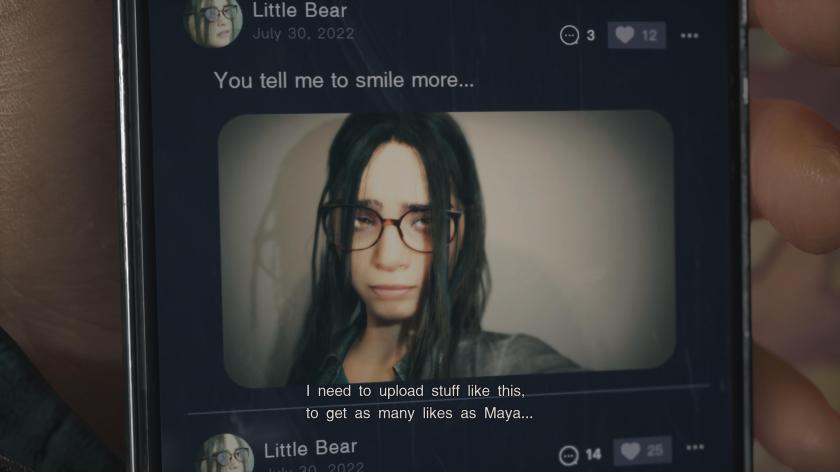
Like many, I was a big fan of P.T., the “playable teaser” for the now-dead Hideo Kojima Silent Hills game. It seemed the franchise might be dead after Kojima’s falling out with Konami and their subsequent bailing on development of many of their premier franchises. With the announcement of a Silent Hill 2 remake and this short experience, however, hope for new, exciting Silent Hill projects was reignited. I won’t say that the ember of hope was snuffed immediately with this demo-length short game, but it was… contained. There is some very cool spooky visual stuff here, and a couple of P.T.-esque scenarios. I did really like the very subtle camera height change (it’s first-person) in a flashback scene, where you’re seeing through the eyes of a younger Anita, for example. A lot of the flashback stuff was disturbing and effective, I thought (the closet… phew), despite some stilted voice acting and writing. The storytelling in this was pretty solid, though they handled the themes of suicide and social media pretty clumsily and were a little too eager for the player to “get it.” Show, not tell, please. I also could have done without the extended chase scene at the end, which was very annoying, but I did like Sakura Head and the cool effects used to bring it to life. This game was free, so I can’t complain too much, but I hope they spend a little more time shaping the narrative elements in the next full Silent Hill game.


Silent Hill 2 (Remake)
My history with the Silent Hill franchise is… spotty. I have to admit, I really didn’t care for the first Silent Hill when it came out on PlayStation. I’d read that it was poised to give my beloved Resident Evil a run for its money, especially with a very scary fog effect, so I ran out and rented it from the small shop around the corner from where I lived at the time. I miss that rental place. They had a bin of big movie posters, the kind they get for promotional use, for only $1. It’s also where I discovered Suikoden II, Tales of Destiny, Silent Hill, and other cool OG PlayStation games. I tried really hard to be responsible and not rack up late fees, but I had like $30 of late fees when I stopped going, ashamed that I couldn’t pay it back right away. Then they closed down and a dry cleaning place opened there. In a place called… Silent Hill.

Just kidding. It was a place called Streamwood. So, no hill. Just a stream and some woods? Anyway, I was pretty disappointed by Silent Hill. I don’t feel this way anymore, but at the time I clearly remember thinking the fog was an overhyped way to cover pop-up and load times. After all, many of my early N64 and PlayStation games had that fog, but because of memory limitations, not “atmosphere.” Add to that a clunky combat system and slow pace, and I kinda thought it was a dud. I should go back and try it again, because I’m sure I was being unfair to it. When Silent Hill 2 came out, I finally had a job and a shiny new PS2 I was desperate to buy games for, so I decided to give the sequel a shot. And I was so glad I did. It was a very tense, stressful experience, in a way that was different from what I was used to with the Resident Evil games, but I walked away from the ending buzzing. My first encounter with Pyramid Head was so memorable. I’d seen him in flashes earlier in the game, and had been trying my hardest to save ammo. When I entered a room with him for the first time, I panicked and began unloading, thinking I was supposed to beat him. No. I wasted all my bullets, got a quick and fatal poke in the ribs, and had to reflect on my life. He was terrifying. I also loved the multiple endings, even if I didn’t have the patience to get all of them. My favorite was one that I’d read about but didn’t get. The rumor was that if you look at a knife (given to you by Angela) in your inventory enough, the game reads it as you being suicidal so you then unlock an ending where you kill yourself. That was such a cool, interesting, dark mechanic that I got Angela’s knife tattooed on my arm as part of my video game sleeve.

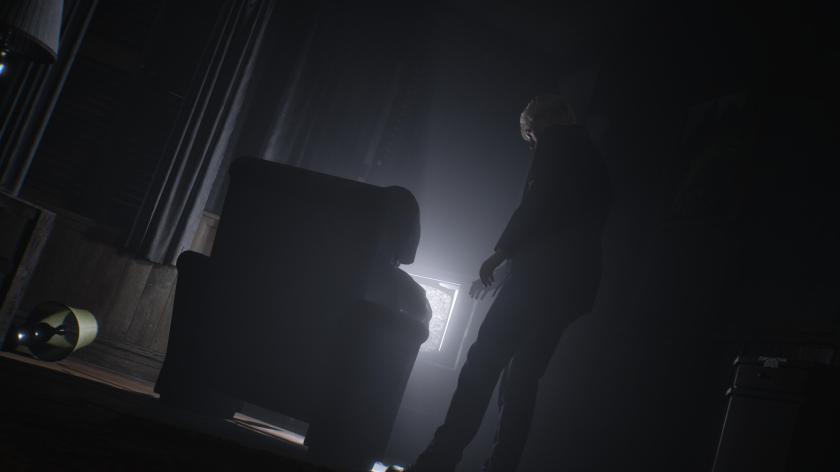

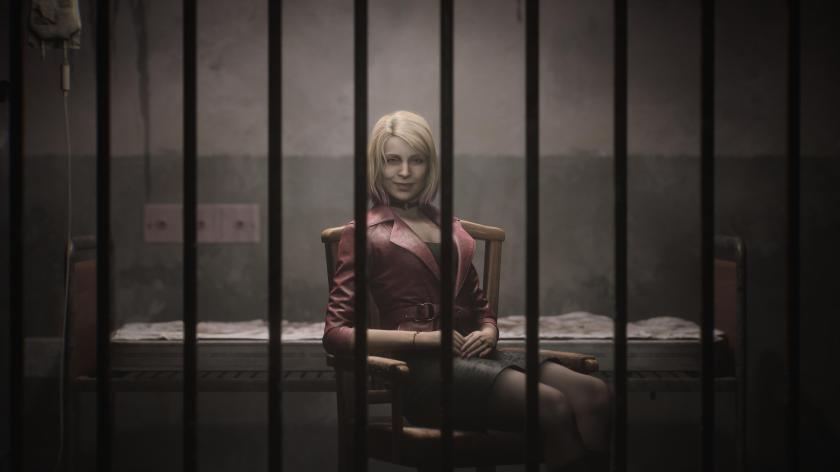
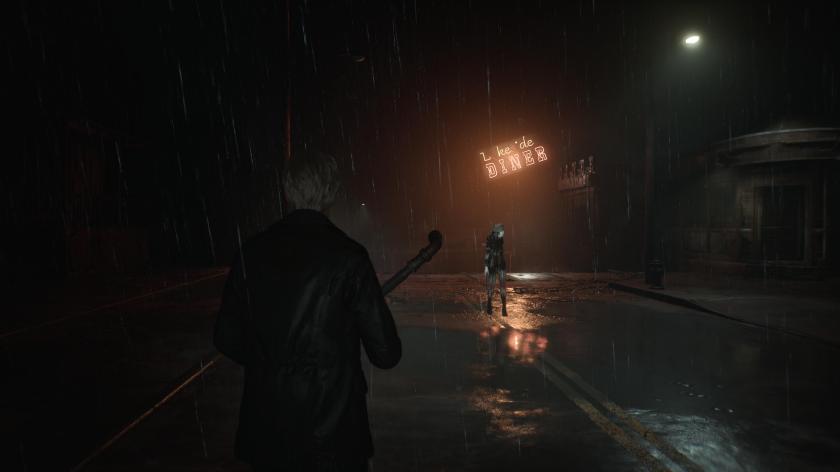
I was, admittedly, a little worried about this remake, though. I was thrilled it was happening at all, of course, but when Bloober Team was announced as the development studio, I can’t deny I was doubtful. They made Blair Witch (above) and Layers of Fear, and I found both of them to be lacking polish in several ways, despite both having cool, spooky concepts. My fears were unfounded, though. Silent Hill 2 (Remake) might not be the most dazzling game ever, and there are a few odd visual artifacts (the newspaper boxes, for example, are hugely disproportionate), but generally it looks pretty stellar. The fog and atmosphere in particular are very well done. They kept all of the features I loved, like the crackling radio that alerts to enemies, and smoothed out the combat and traversal a ton. Besides Pyramid Head (who is as legendary as ever), the story is the star of the show, and it’s told with reverence and some nice improvements. The Angela dad boss fight? Fuuuuuck. The slow trickle of clues revealing the truth behind James’ and Mary’s experience? Daaaaaamn. So good. So, yeah. Like the original, I loved the new and improved Silent Hill 2.


God of War Ragnarök: Valhalla
This entry is very special to me. God of War Ragnarök: Valhalla is my very first game credit. I’d worked on other games to lesser extents, but this was the first game I did the copywriting for on my own. I got briefed on it months before release, got to write the marketing and social beats for it, and even had my name in the credits. There was no physical copy so I didn’t get to write the box copy (that would come later, with Horizon Zero Dawn Remastered!), but seeing my name in the credits, especially after going through and beating it, was a huge high.

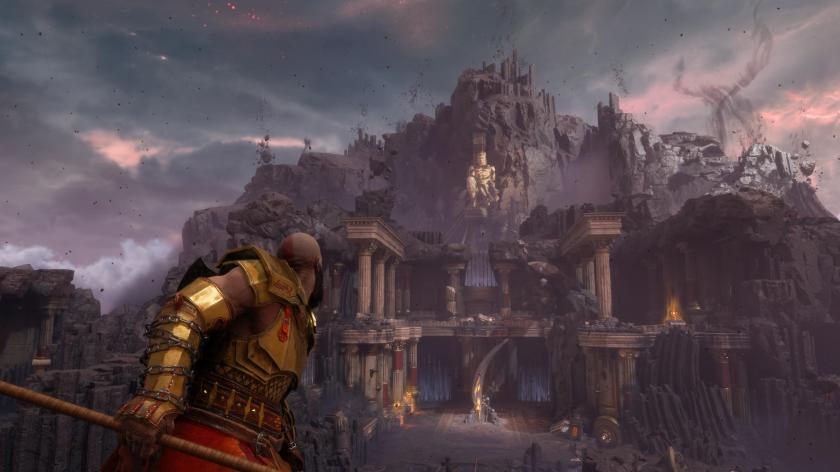
That aside, the game itself was, as expected, incredible. When I was briefed about it, someone from the dev team said it had elements of Hades and other rogue-lites, which made me wonder how much I’d like it. I have to be very into a game to deal with bashing my head over the same levels again and again, but as it turns out, I am indeed very into God of War. The combat in the new games is so good and masterfully designed that I never feel like a death is unfair. If I die, I usually know exactly why and can make a plan to fix the problem when I try again. This lends itself well to a rogue-lite formula, because my frustration is almost always with me, not the game. So, as with the base game, I loved the combat in Valhalla, and I thought they did some really fun, interesting things with Kratos reflecting on his past and his identity. So proud to have my name attached to this game, even if I wasn’t involved in the actual design/development.


Helldivers II
As a perk of my job, I get game codes for all of our first-party games. Some I don’t necessarily need, because I buy physical copies regardless, as was the case with God of War Ragnarök, Horizon Zero Dawn Remastered, Until Dawn, and others. But Helldivers 2 was one of those games that wasn’t on my radar, so when I got the code I thought hmm, I guess I’ll check it out later, if I have time. But then I was seeing TikToks of it all over my FYP, my friends were getting hooked, the reviews were great… I had to (hell) dive in and check it out.


And I had an absolute blast with it. Shit can go south so quickly in it, but the stakes never really felt that high. My friend group didn’t take it too seriously and were just there to blow shit up and have a good time, and it helped with some of the more chaotic moments. Whether we were being swallowed by a wave of Terminids or found ourselves fatally surrounded by relentless Automatons, we would say “That’s Helldiving, babyyyyy” and prep for the next round of chaos. Things were especially hectic early on, when a couple of us were less than experienced and being carried by a high-level friend, but eventually we got great at communicating and coordinating. It was such a unique thrill to plan a route on the map, drop in, have to change plans because everything is going sideways, lose some ground, gain it back with a fiery fury and many bombastic Stratagems, and make a narrow escape on the shuttle as enemies descended around us. What a ride.

Sea of Thieves
I played Sea of Thieves on my Xbox One when it came out, but I returned to it when it released on PS5 this year for a few reasons. First, holy shit an Xbox game on PlayStation!? I suppose it’s not as crazy as it sounds, as Microsoft has published games on other platforms, like the Nintendo DS, before. And PlayStation has released MLB the Show on Xbox and Switch for a few years now, but something felt different about this one. So it was an odd thrill to boot this up, similar in some small way to when I hit play on Sonic Adventure for the GameCube after Sega quit the hardware game.
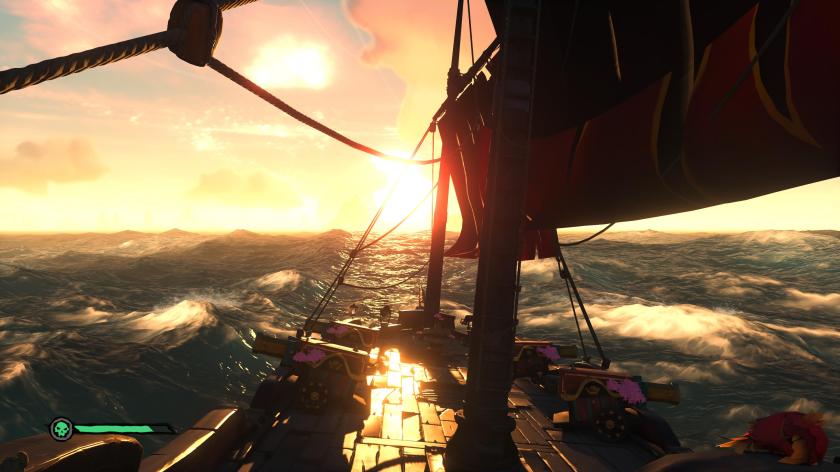
Second? Trophies, babyyyyyy. And third, I often find myself missing the beautiful water effects and (sometimes) tranquil seafaring in Sea of Thieves. I previously stopped playing because I’m not a fan of being trolled and harassed while I’m trying to do my own thing. Rare said at launch that they had plans of bringing private servers to the game, then they stopped mentioning it, then they gave them to just influencers, then, finally, after years, they did end up introducing them. People can say what they will about it “being a pirate game so how can people be mad when people act like pirates lololol,” but pirates respected each other and had a shared enemy of states and wealthy merchant companies. They didn’t just attack every ship they saw for the lulz. Regardless, with private servers and shiny trophies to earn, I hopped back in and had some pretty good times with friends. We were all still outraged at the ridiculous monetization, but what are ya gonna do at this point?

Final Fantasy VII Rebirth
Yet another game that deserves its own post. Sigh. A few rambly paragraphs will have to do. I’ve already discussed at some length my origin with the original Final Fantasy VII in my post about Final Fantasy VII Remake, so I’ll just get right to business. And by “business,” I mean my sadness at Jessie Raspberry not being alive in this one. They showed Biggs at the end of Remake, and with the party realizing that Whispers are actively trying to stop them from changing fate, meaning that fate (and the events of the original FF VII) can be changed, I was so hopefully that my flirty little eco-terrorist girly would be back in action in Rebirth. Sadly, aside from some wistful flashbacks, she was not. 0/10, terrible game, do not play.


Okay, okay, I’m being dramatic. I loved this game. Well, before I open the flood gates of adoration, let me say that I do agree that the mini-games were a bit of a drag on the game overall. Now, don’t get me wrong. I love a good mini-game, and there were some excellent ones in Remake. But this is a very big game, and when you actively require some of these mini-games to progress the story, especially later in the game, it really starts to feel like a drag on the pacing. As with many sprawling RPGs, I tend to wander a lot and do side content as I slowly advance the story, but once I exhaust side quests and other stuff I want to then focus on the main story. It’s a little frustrating when I’ve reached that point, committed to finishing, and suddenly the game is like “wait, have you played THIS mini-game? Well, you have to. And you have to win at it to progress. You’re welcome.” Thanks.


That gripe aside, where do I even begin with the good stuff? Some of it carries over from the first game. It’s a beautiful game, as expected, with huge, gorgeous landscapes and setpieces. The music was once again amazing, especially considering how much of it there is. I was many hours in and I caught myself thinking is this… the fifth version of the Chocobo theme I’ve heard? Sixth? Seventh? And that’s just for one single theme! And much of it tugged on the same nostalgic heartstrings that the music in Remake did. Speaking of heartstrings, how about that ending? Like an absolute Buster Sword through the heart. I knew it was coming but, as with Jessie, I hoped things might be different this time. Fuck. Tears flowed freely that night.

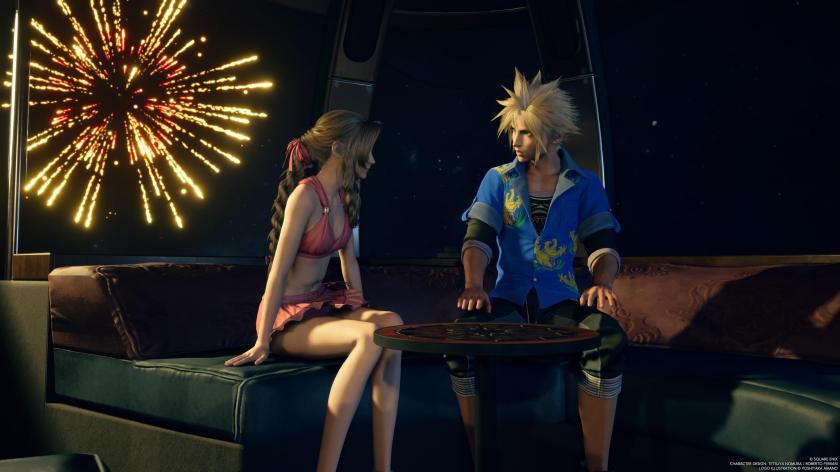
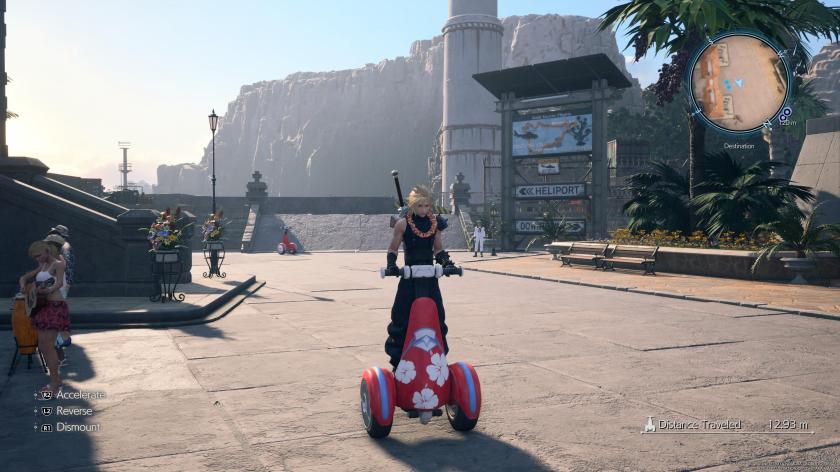
But, as with my thoughts on Tears of the Kingdom, my memories of Final Fantasy Rebirth come down to the moments. Riding electric scooters with my friends at the beach (as dumb as that sounds… and looks, kinda). Playing all the mini-games and taking in the amusement park vibes of the Gold Saucer (the Haunted Hotel was my fave). Fixing Chocobo Stops and petting each baby Chocobo as I did. Flying Blue Chocobos! Playing piano for Joe Biden. Cait Sith’s climactic fake-out (again, tears flowed). Elena’s cutie patootie self. The tension of the parade marching sequence (rocked it). Acting in the musical with your team. Visiting your hometown and reminiscing with Aerith and Tifa. The flashback to a young Cloud deploying with the legendary Sephiroth. The summons, particularly the whole side quest sequence with Gilgamesh. The cruise with the Queen’s Blood tournament. Red XIII walking around as a soldier. Red XIII climbing a ladder. Red XIII riding a Chocobo. Red XIII’s voice change!? You know how when something funny happens in a video game, you kind of blow air out of your nose as a “laugh”? Like a slightly audible version of “heh.” Red XIII’s voice change made me legitimately and helplessly guffaw. I did not see it coming. And I loved it.


I should devote these last paragraphs to the Skywheel date and romance in general. In the original game, I wasn’t quite as invested as a lot of other games. I chose Aerith for my Gold Saucer date back then because it felt like I was supposed to, but I wasn’t head over heels for her. In Remake, I was admittedly torn between Aerith and Tifa, but ultimately Jessie stole my heart so I didn’t have to worry about picking sides. I knew I’d have the chance to go on a date with one of them on the Skywheel at the Gold Saucer in Rebirth as well, so for most of the game up to that point I was thinking about them. With far more fleshed out backstories and developed personalities, I had more than enough data to push me in one direction or another. Aerith is a sweet, caring, kind, and uniquely powerful woman. Tifa is tough, tenacious, fiercely loyal, and supremely talented. Aerith seems to have a crush on me (Cloud), and Tifa still seems to be holding a candle for me from our shared childhood. I went back and forth all game, and in the end I was happy to discover you don’t really have to choose. The game chooses for you based on how you interact with each character, how many of their missions you’ve done, your bond, etc. So I knew when the night came and I swung open my hotel door, the right woman would be waiting. And that woman was…
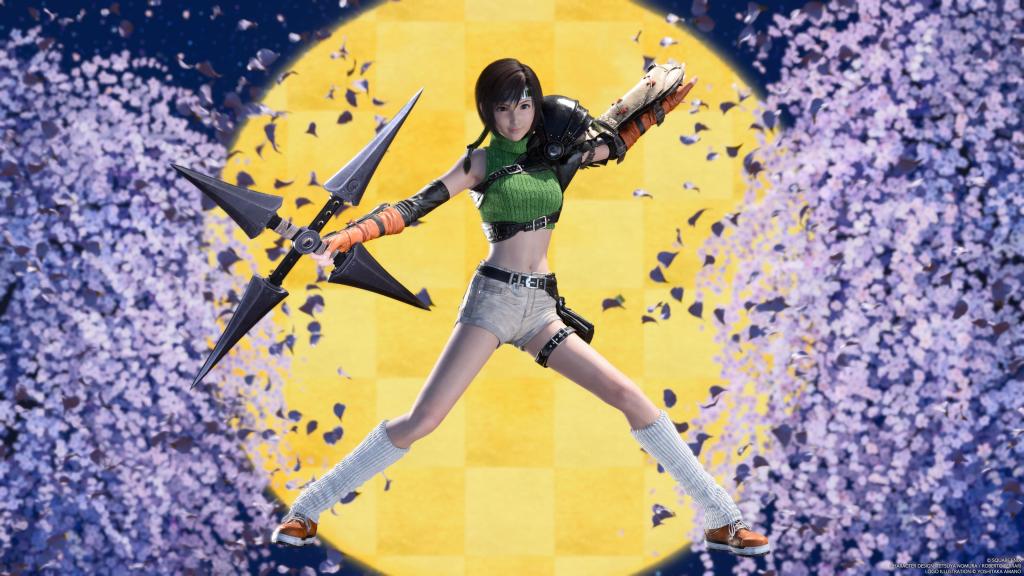
…Yuffie!? Wtf! And apparently I was more into her than I knew because I got the “intimate” date! To say I was shocked would not be adequate. I specifically spent a ton of time with Aerith and Tifa. It’s not like I neglected Yuffie, I tried to keep up with all of my team members, but how she ended up my number one girl, and to that level… I have no clue. Having said that, our date was adorable and I did actually think wait a minute… am I missing out? I really loved how they expanded her character and brought her to life in this game. Sure, she can be a bit… much at times. But she’s fun, energetic, super skilled, and very cute. I think I’m leaning Aerith overall this round, but the fact that Yuffie is a contender was a real surprise. And neither of them hold a candle to Jessie, but that ship has sailed, sadly. Anywho, in the end, I loved my time with Final Fantasy VII Rebirth, tears and all. Bring on the final chapter.

Princess Peach: Showtime!
As a big Princess Peach stan (she features prominently in my video game tattoo sleeve, even), I was cautiously optimistic about Princess Peach: Showtime! when it was announced. I liked Peach’s first solo game, Super Princess Peach, more than most, it seems, but I didn’t like how all of Peach’s powers were emotions, as if she wasn’t yoinking vegetables out of the ground with the best of them in Super Mario Bros. 2. It sure seems like Nintendo was conscious of not making the same mistake twice… mostly. Yes, Peach throws aside those “girly” emotions and plays a range of types in this game, including traditionally “fem” roles like patissiere, ice skater, and mermaid, but also some more typically “masc” roles, like ninja, superhero, and Kung-fu master. But she only steps into these roles by *checks notes* playing dress-up?

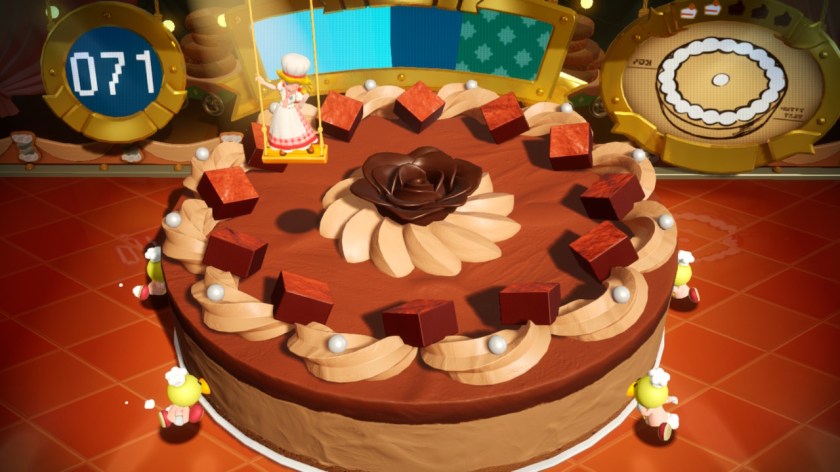

Okay, so maybe Nintendo still isn’t letting Peach be the badass girly that she is, but I still had a fun time with Showtime!. It was on the easy side, which was kind of a bummer. I don’t think easy games are inherently bad, but I like how Nintendo handles difficulty in mainline Mario games, where much of the required gameplay is fairly easy or medium, but there are some optional levels that are brutal. As with Super Princess Peach, this choice felt a little like it might be suggesting that girls, the primary audience for this game, aren’t as skilled at games as boys. To be fair to them, their argument might be that they don’t think that girls are bad at games, only that they aren’t as interested in difficult challenges as typical male gamers, but… I dunno. Feels a little fishy. Regardless, Peach was cute as hell throughout this game. I was snapping screenshots every time she appeared in a new costume, hitting those poses and being all girlypop. And the game felt really good to play. I loved zipping around as Ninja Peach, skating elegantly as Figure Skater Peach, and riding a trusty steed as Cowgirl Peach. The climax of the game, with a massively powerful Mighty Peach bashing the ever-loving shit out of everything in her way, was particularly fun and rewarding. Plus, as always, Peach is cute as hell.


Astro Bot
I’m not sure a single game has made me feel as much joy as Astro Bot. I’ve loved my time with so many games, and even some of my favorites like Persona 5 have had lots of joyful moments. But Astro Bot is just saturated with adorable charm. I kept finding myself smiling or thinking “this is so good” constantly. The game controls well, as it did with Astro’s Playroom, which is critical in a platformer. Beyond that, this game expands on and adds to everything that made Playroom great. There are lots of great power-ups/abilities (the sponge and mouse levels are so great), the DualSense integration is still best in class, and there was always some small, fun new thing for me to do. Seriously, just running around through piles of broken pixels or leaves or junk was never not fun.

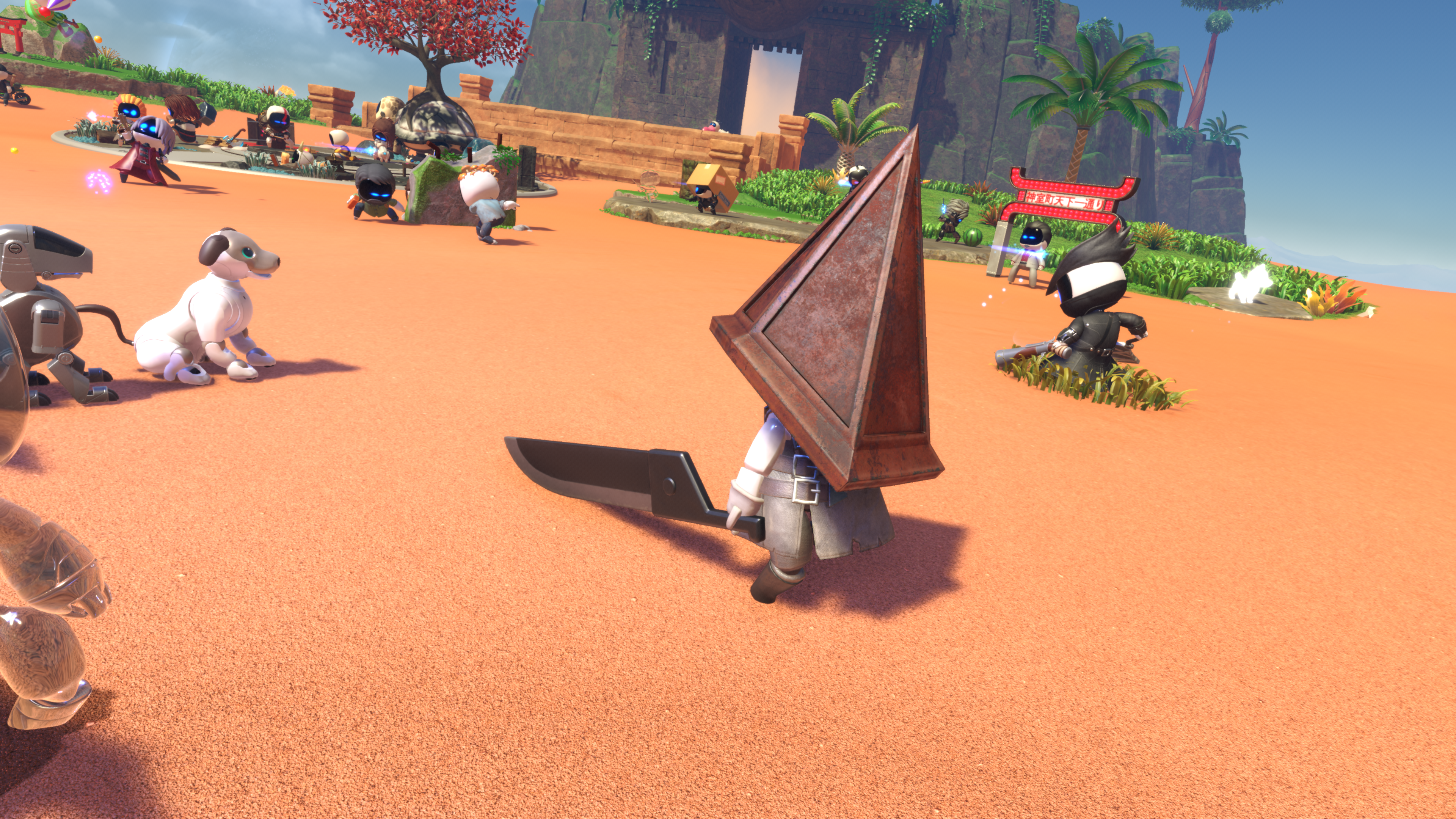
I wasn’t the lead copywriter on this game, but I was briefed in on it very early. The brand manager for Team Asobi mentioned that there would be special powers and courses for PlayStation first party characters, like Kratos and Aloy. I asked if there would be a return of third party characters from PlayStation’s lineage, from games like Resident Evil and Metal Gear Solid, like there was in Playroom. I essentially got a “wait and see” answer, so I was a little nervous that we wouldn’t see them again. Nope. First and third party cameos for dayyyys in this game. There are little nods, like pushing the Katamari ball or Jill Valentine hiding from zombie dogs, but then there are whole levels or sections dedicated to games like Ape Escape and Loco Roco! Even Persona 4 Golden got a couple of amazing cameos! Hell yeah.


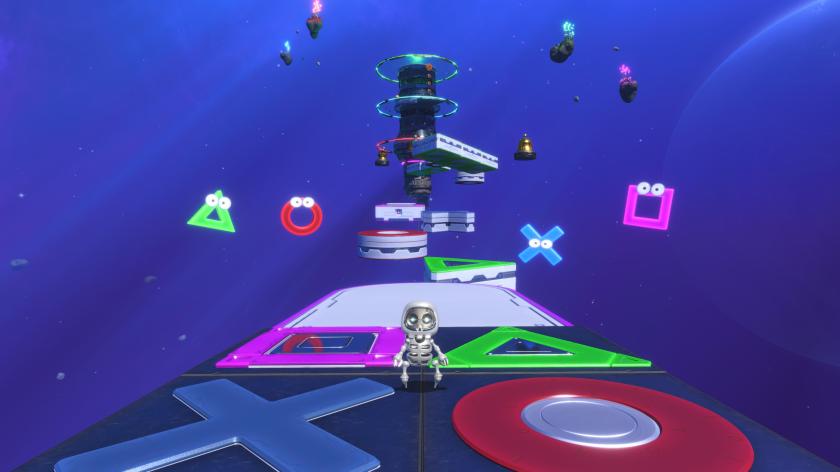
References and inside jokes can only take you so far, but Astro Bot doesn’t disappoint as a platformer, either. There are constantly new, simple mechanics to pick up and use to get through tons of inventive, delightful levels. And those levels are varied and never overstay their welcome, which can also be said of the game itself. There is a ton for you to do, but it never felt bloated or rote. Many of the levels were pretty straightforward, but there were definitely some challenging levels and parts, too. Those PlayStation Shapes levels took me a try or two. Or three. Dozen. I also love the return of all of the detailed, realistic models of PlayStation hardware, especially in the final level where it all comes together in a massive cosmic assault. And, yeah, the ending made me weep like a lil baby. I love this game, and I can’t wait for more people to play it and experience the joy.

Mister Mosquito
Part of PlayStation’s legacy, in my opinion, is taking chances on quirky, unique titles. Noby Noby Boy and Katamari Damacy come to mind, as does Mister Mosquito. I’ve had my eye out for a decently priced used copy of this game for years. I recently bought the Japanese version because the cover art is hilarious (and I’m hoping to someday be able to play it and understand the language). But an English copy has eluded me to this point, which is why I was shocked to see PlayStation was releasing it for PS Plus! This game is very weird, and not just because you’re a mosquito going around sucking blood. The story, writing, voice acting… all weird and wonderful. I remember playing my friend’s copy when it came out and feeling like it gets pretty challenging like halfway through. That’s still true, but with the trusty rewind function now in play, I was able to get pretty far this time around. And trophies! Always a nice perk, especially when added to older games. Now if only Square Enix would port Chrono Trigger…


Dragon Age: The Veilguard
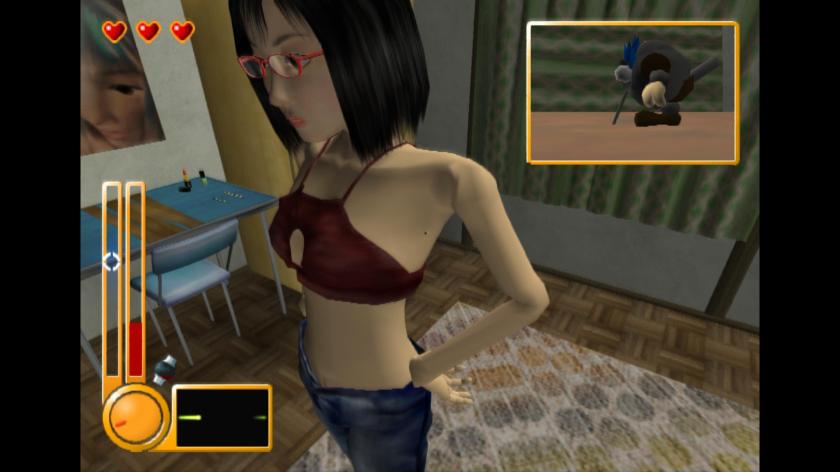
This is another game where I was glad I didn’t have to write a review for it. As with FFXVI, my opinion about Dragon Age: The Veilguard as an RPG is markedly different from my opinion about it as a Dragon Age game. Let me get the whiny stuff out of the way first. The art style never grew on me. I was so hyped when the trailer for this game dropped. I’ve been playing Bioware games since Star Wars: Knights of the Old Republic, and I’ve loved almost every game they’ve put out. KotOR? Banger. Jade Empire? Banger. Mass Effect and Dragon Age? B-b-b-bangers. There is something about the classic Bioware formula that I couldn’t get enough of. So when the trailer for Veilguard dropped and it looked like they were drawing inspiration from Fortnite and other stylized, cartoony popular games, I can’t deny I cringed. How do you go from a grimdark, realistic style to… this? It changes the entire tone of the game, evident by the game further leaning into humor, quips, and Marvel-like cheeky exchanges. I don’t mind a bit of that, and there was some of it in previous Dragon Age games. But this felt like too much of a shift for me. I thought maybe I’d get used to it after a while, once the gameplay and story hooked me. Nope. I wouldn’t say I “hated” it, but I certainly didn’t like it, and it’s hard when you have such a history with a series not to feel a little bitter and burned. This all might sound superficial, but I do have one slightly more significant gripe. That Bioware formula that I love? It’s here, to be sure. But it doesn’t feel like they’re making much progress in expanding and refining it? If you look at their previous games, you see that in each game they’re pushing things a little further, allowing you to romance more people or making it more natural, trying to flesh out their social systems more and more, pushing the envelope with regards to the romance scenes (remember the “Sexbox” debacle?). The romance and social systems in this game were fine. I’m not saying I didn’t enjoy them. But after waiting so long for a new Bioware game, and a big return to a beloved series, I was hoping for more progress and improvement on the formula I love so much.
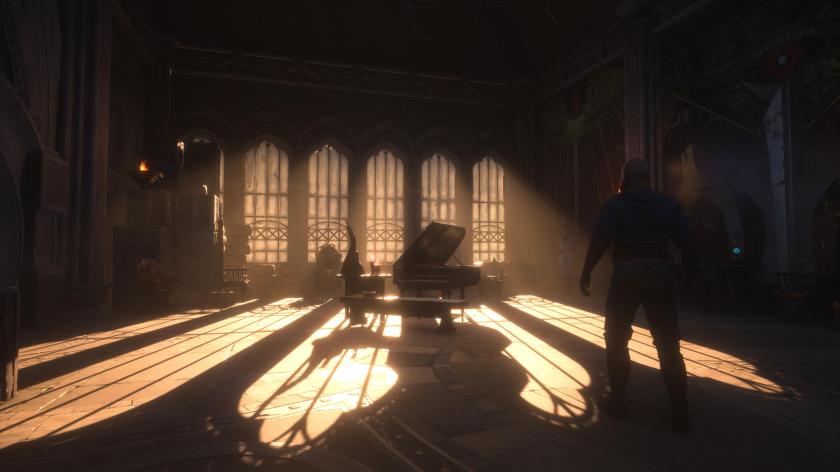
Okay, phew. If you’re still here and don’t hate me too much, I do have some very positive things to say about the game as well. As I said, I was disappointed in it as a Dragon Age sequel (especially for being in development for so long), but I did have a great time with it as an RPG. Similarly, I didn’t like the art style for a Dragon Age sequel, but that doesn’t mean it wasn’t beautiful and had some gorgeous vistas and awesome character design. But let me back up a bit and start at the beginning, with my Rook. Because I loved the Grey Warden lore and main storyline from the first game, I chose to also be a Grey Warden here. My background felt like it fit so naturally into the game world and plots, so kudos to the creative team because I’m guessing the other backgrounds feel similarly tailor-made for the greater narrative. I also generally tried to make my Rook look like me, as I always do, which made for a fun scene where I (Rook) meet myself (Inquisitor) from the last game (and in Inquisition I [Inquisitor] met me [Warden]).


As for companions and allies, I was of course thrilled to see Morrigan return in a somewhat prominent role. I haven’t written a Video Game Crushes post on her yet, but she is probably among my favorite romance partners in gaming. She’s a strong, scary, sexy goth witch that can turn into a dragon! A very specific kind of Kryptonite for me, maybe? I was, of course, bummed that I once again could not romance her in this sequel. And it wasn’t even like she was like “I can’t, my great love Warden Joey is waiting for me at home.” At least then I could nod with bittersweet appreciation that the me from the first game is still with her. Nope. None of the romance options in Veilguard can compare to my Witch of the Wilds, but I ended up being pretty happy with my romance with Neve. She is gorgeous, talented, a cool detective, and she has a sexy accent. A small thing I really appreciated was how she gave me the nickname “Trouble” halfway through the game, then kept referring to me by it as the story progressed. One of my complaints about the romances in previous Bioware games is that they didn’t feel as pervasive as I’d have liked. Like, this is my new true love and we’ve expressed our deep affection for one another and then… we just treat each other like coworkers most of the time? Veilguard doesn’t quite fully solve that problem (it’s not an easy one to solve, if you think about all the writing and extra scripting it would require), but it’s a simple and elegant solution in the short term.


You know who else I loved? Well, yes, Assan. And my man Manfred! Definitely. But his master, Emmrich, has to be one of my favorite Dragon Age characters ever. I love that he’s this badass necromancer, but actually very soft-spoken and kind? He has such reverence for the arts he practices and both life and death. He’s charming, wise, and has a great sense of humor. And, yeah, having Manfred with him for most of the game doesn’t hurt. Emmrich’s companion quest, becoming a necromancer, was incredible. I love how they treated the role and made it about so much more than just revive-dead-get-power. I felt so proud of him for going through the process and honored that he allowed me to accompany him. And the fight with the giant mech-like skeleton? The council of necromancers? The Necropolis? All rad as hell. It was a very tough choice when it came time to decide the fate of Manfred, but ultimately I feel like we made the right call in allowing him to rest. RIP, rock-paper-scissors buddy.


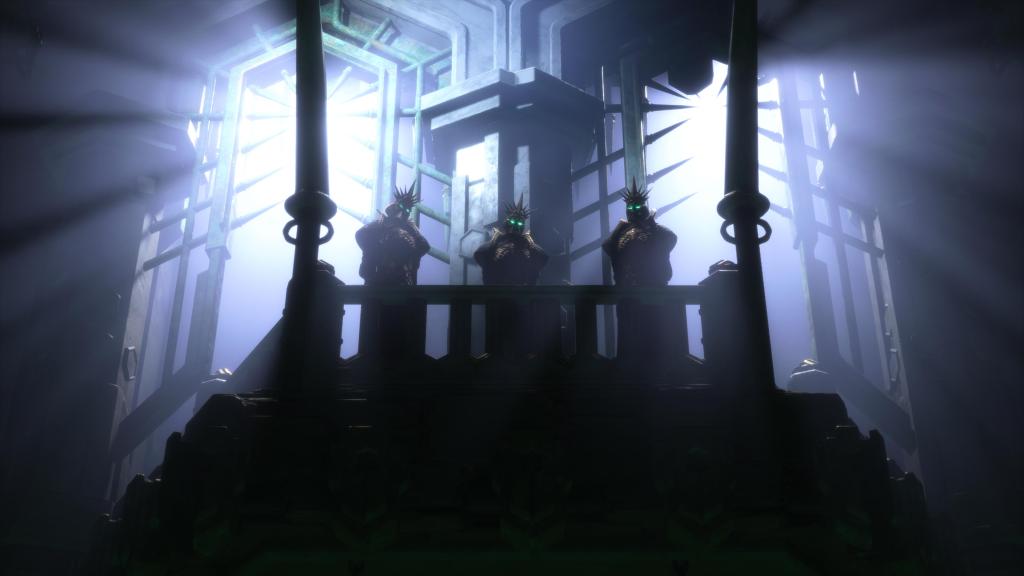
Speaking of tough choices, I have to say I really dislike when games force you to make an impossible choice that results in something bad either way. I understand it creates tension and a huge rise in drama and can sometimes be reflective of reality, but… come on. It feels sadistic. I say this because I absolutely resented having to make the choice between Harding and Davrin/Assan. Davrin rubbed me the wrong way at first, but once we got into his companion quests and saving the griffons, I came around. And I love Assan, so much. The choice between them was spoiled for me a bit earlier, so for hours I was convinced I would choose to sacrifice Harding. I liked her, but… Assan, man. So innocent. So cute. But when the time came, literally at the last minute, I chose to allow Davrin and Assan to make the ultimate sacrifice. Davrin saw it as part of his destiny, and we saved Assan’s family and the future of all griffons, so it just felt like the “right” thing to do. Damn it.


Okay, let me shotgun some thoughts and move on. I did like the combat. I didn’t love the loot system. It’s made for people who love builds, and that’s not really me. I don’t like putting a lot of work and time into doing a quest or exploring an area just to find a flashy chest that contains a piece of gear I’ll never use because it’s not for my build. And that was like 80%+ of the gear chests I opened. There were some cool weapons and armor, though. I rocked the Mass Effect suit for most of the game. So many dragons. Very fun fights. Was Isabela always this fine? Because holy hell. I feel foolish, but I did not see the twist with Varric coming, which was a nice(?) surprise. I got the ending where you talk Solas into binding himself to the Veil. It might have been somewhat disappointing as a Dragon Age game, but I liked it enough as a game to get the platinum trophy, for what that’s worth.

Infinity Nikki
I’ve never been interested in dress-up games, but I am a fan of pretty things. The older I get, the more I like to just, like, look at pretty stuff. And this game seems filled with glitter and cute things, and it’s free to play, so I decided to give it a shot. I’ve played it for about 17 hours now, and I do have a few thoughts. It is, indeed, very cute. I don’t know much about fashion and style, but the dresses and outfits in this are so pretty. You can also groom pretty much any animal you see, so I get very excited when I see a new animal, like a horse-like creature, and rush to meet (and brush) it. The game is a collect-a-thon, which is mostly good. I haven’t gotten around to using much of it yet, but I do enjoy running around and grabbing the various (and plenty) shiny flowers and shells and such.


That said, there are so many materials and currencies in this game it’s head-spinning. The gameplay, in terms of traversal and combat, is very simple. The systems, for crafting, buying things, etc., are anything but simple. I’m slowly starting to understand them, but sheesh. And I think that is, in part, what will probably drive me to disengage eventually. It hasn’t required me to purchase anything to succeed at the main quest so far, but when games are centered around trying to get you to buy things and spend real money for in-game currency, it’s hard for me not to see it in every design choice. Is this mission impossible because they want me to buy something? Are the dresses I have access to not as pretty as they could be because they want me to purchase the prettier ones? I’m not condemning the game for these things yet, but I do wonder when I’ll run into that. For now, I’m content to run around, brush my little cuties, try on beautiful dresses, and do the fairly simple quests and puzzles.

LocoRoco
When I saw the LocoRoco level in Astro Bot, I thought, oh yeah, I never got around to checking that game out! I only got a PSP recently, so I never had the chance to play the original. I do remember the 1UP Show podcasters talking highly of it, though, back in the day. I downloaded the remastered version recently and I get what the hype was about. It’s a pretty simple puzzle game, which is good for a portable system, and it’s so cute and weird. The sounds the little LocoRoco make as they break apart and come back together, the way they sing along to some of the music, the annoying little Moja enemies, all great. I’ve only finished the first world so far, but I’ll definitely be going back to this one.


Sly Cooper and the Thievius Raccoonus
Will I go back to Sly Cooper and the Thievius Raccoonus after getting flustered as hell at the first Murray racing level? Probably, but I did have to step away from it for a bit. Things were going so smoothly, too. I’d beaten the first world, was enjoying the colorful art style, with the bold black outlines, I’d collected most of the clue bottles, and was just generally having a pretty good time. Even the Murray sniping level was really fun. But then that damned racing mission reared its head. I feel free to vent about it because when I looked online for tips, it seems like a common point of frustration for many players. And the nifty new-gen rewind feature doesn’t do much to help. Well, I’ll get back to it soon, and a friend who is a big Sly fan is stopping by tomorrow, so maybe with his guidance I’ll breeze through it and get back to what is otherwise a fun, nostalgic platformer.


Phasmophobia (PS5)
Ah, Phasmophobia. I wrote at some length about the game just over four years ago, when it was still in early access on Steam. I’d played for about 61 hours at that point, which felt like a lot. I’m now at 1,294 hours on PC, 155 hours on PS5. Yep. I wrote in that post about how this game scared me in a way no other game has. It made me stink-sweat, especially when I tried to play it by myself. And I can’t really explain why. I don’t believe in ghosts, so it’s not like I thought some apparition was going to pop out of the TV and possess my cat. It was just very unsettling. And now here I am, almost 1,500 hours later, and it’s become a comfort game for me that I still play at least once or twice a week. I was beyond stoked when they announced it was coming to console, and after about a year of delays, it finally landed this Halloween.
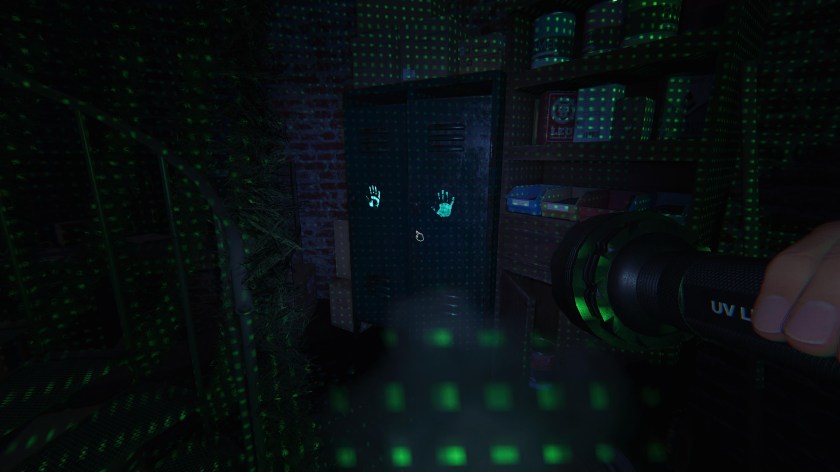
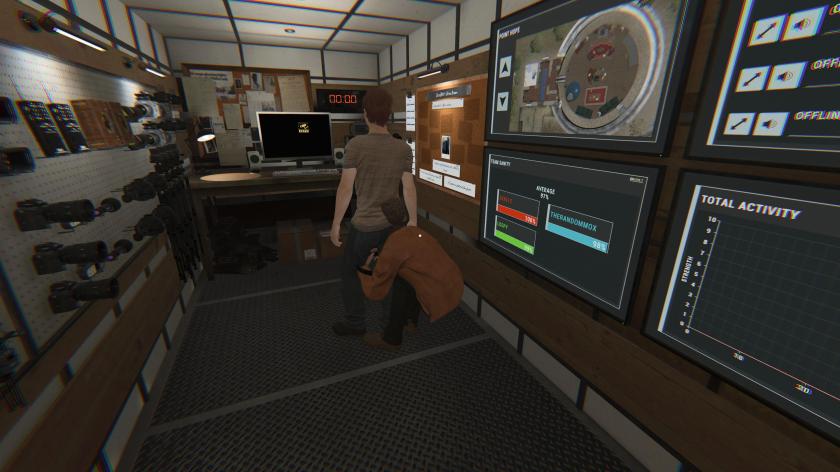
The first time I logged in and played with the DualSense instead of keyboard and mouse, it felt very weird. I was convinced it would take forever to get used to. But after tweaking the button mapping a bit, it felt a lot more natural. Some things don’t seem to look as good on PS5, like the DOTS projector, but some things (like lighting and some textures) look better to me. I was a little bummed that I was leaving behind my Steam profile and all that I’d accomplished on it, but it has been fun accomplishing those things again and being rewarded for it with trophies. I’m just six trophies shy of the platinum now. Three of those will happen pretty naturally (Demon kill, prestige level three, weekly challenges), but I am sort of dreading the grind that it’ll take to get the Apocalypse Challenge trophies. Regardless, I’m still having a blast hunting for ghosties with friends (I even convinced some of my PlayStation colleagues to try it with me! There was at least one uncontrolled yelp of fear, so I’m counting it as a win), and I hope to write about it again when Phasmophobia 2 hits PS6 in 2028.*


*Just kidding, I have zero insider knowledge about a sequel to Phasmophobia or PS5, sadly
Wingspan
I played the original (board game) version of Wingspan once, like, many months ago. Maybe over a year? I can’t quite remember the details, but I remember really digging it. It’s technically a competitive game, where you collect birds and eggs and complete goals to get points and win against other players. But it’s the kind of game, like Disney Villainous, where you have your own board and can just kind of focus on your own goals. So that’s what I did. I tried to collect and play birds that I liked. Blue jays, owls, mockingbirds, ravens, hawks, etc. I just liked looking at the incredible bird art and hearing their sounds with an app that scans the cards. I bought the PS5 version when it came out, but didn’t get around to playing it right away. I recently found myself playing the board game again, for what I think is only the second time ever, and I was like “why have I not played the console version again?” So I did.

And I play it exactly how I do the board game. I mind my own business and play cool birds to learn little facts about them and build out my compendium. I set it to one easy AI competitor and just go. It’s such a chill, relaxing game. The art is gorgeous, the music is soothing, and just playing to play new bird cards is so calming. I even went and bought the two expansions and have started playing with those in my decks. I don’t really understand the new goals/rules, but there are even more colorful little dinosaurs for me to scoop up, so it’s been well worth it.

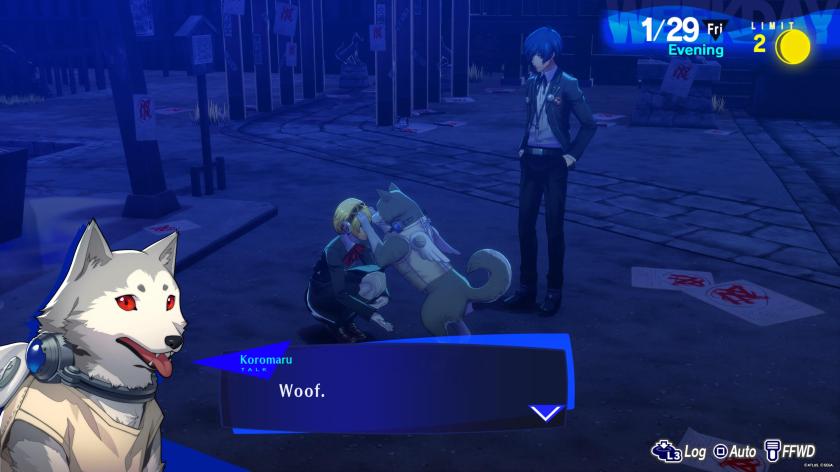
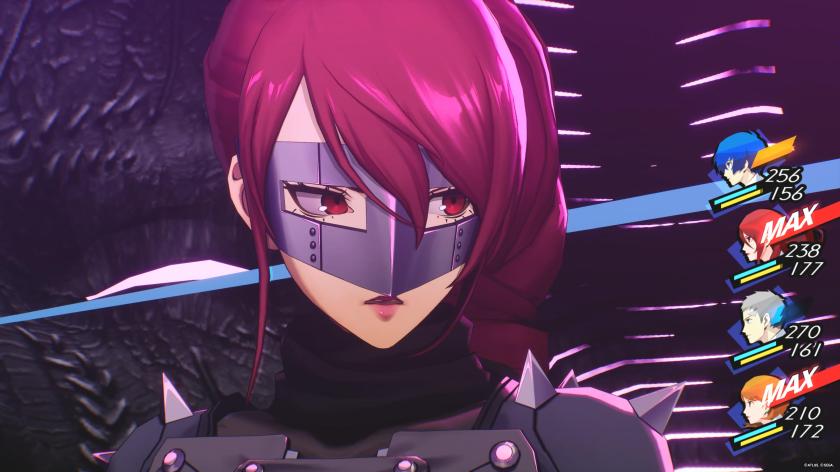
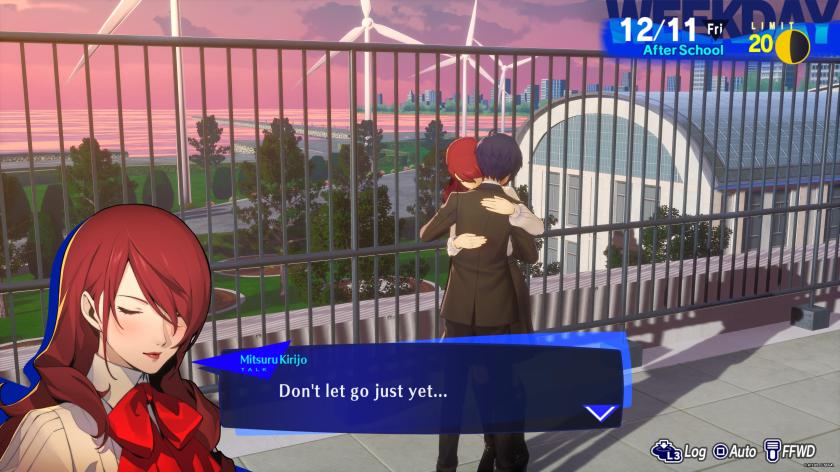
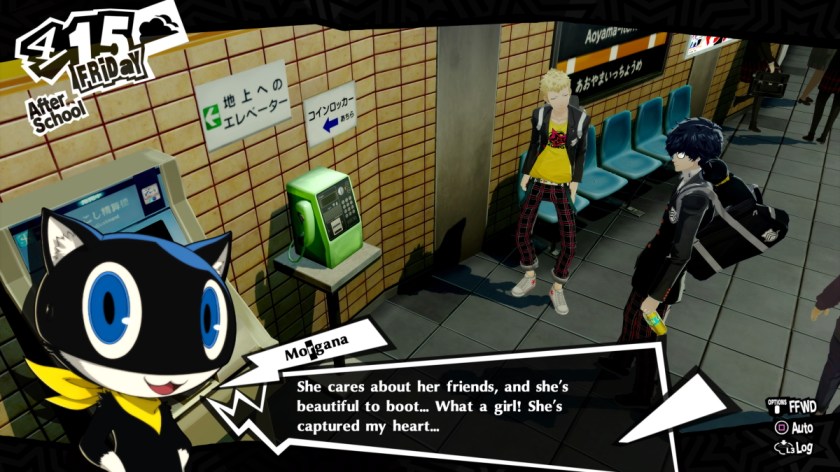
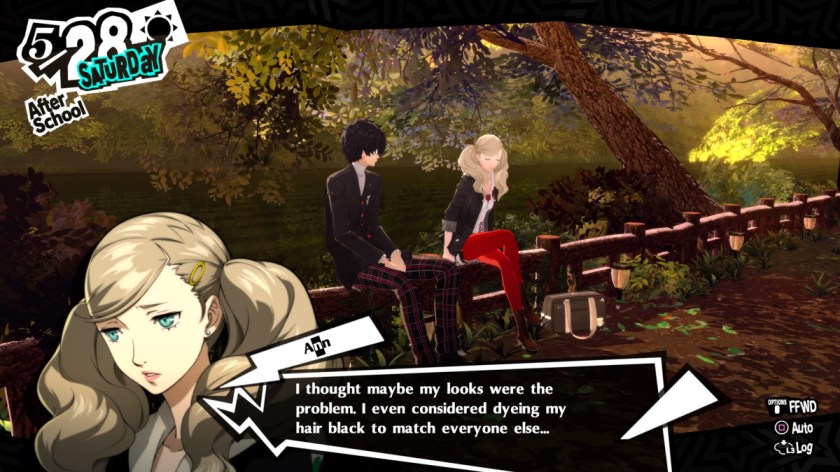
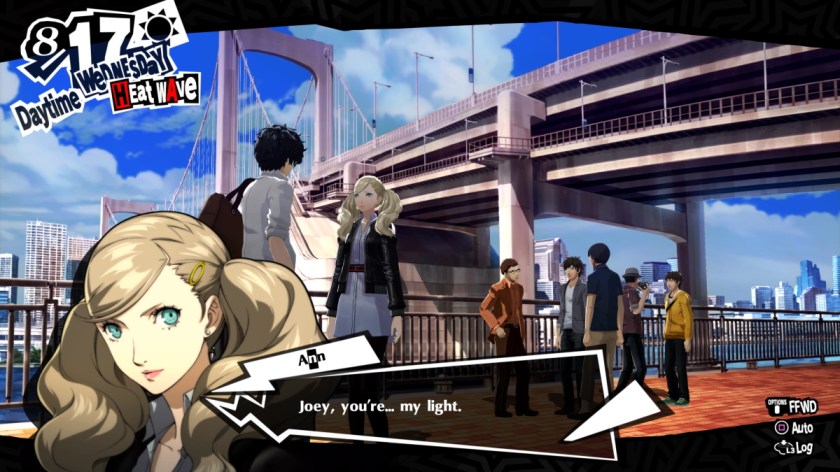
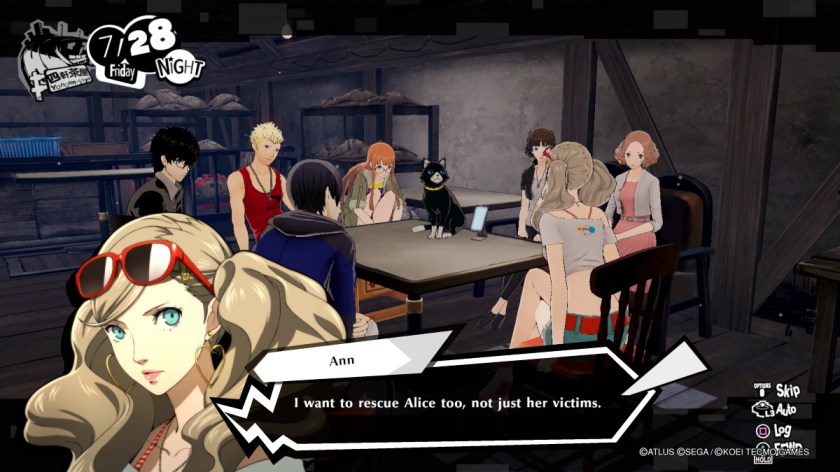
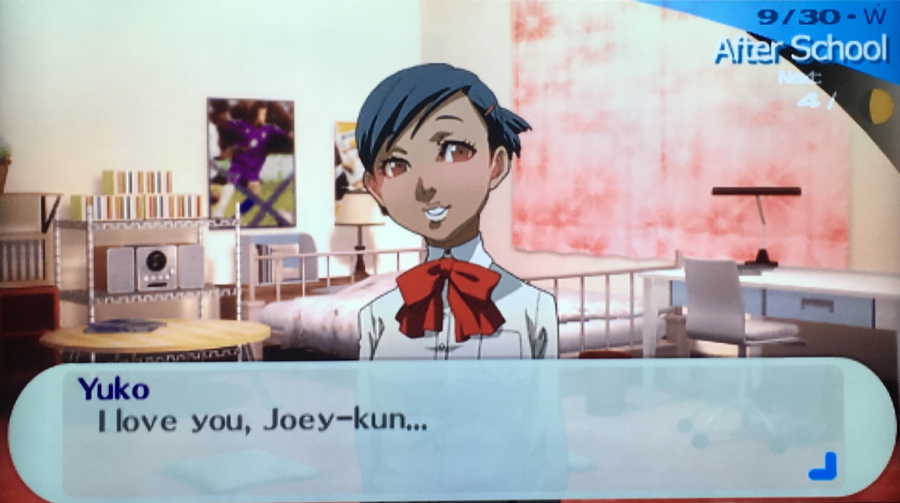
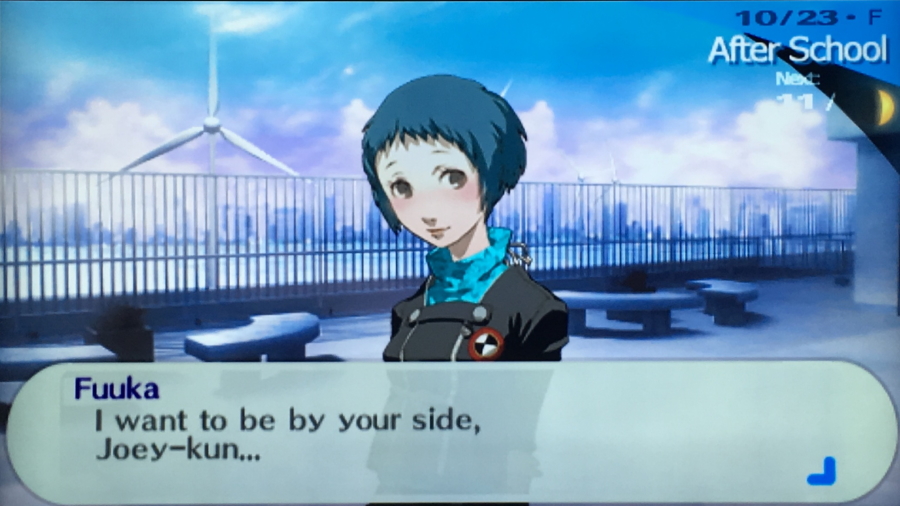
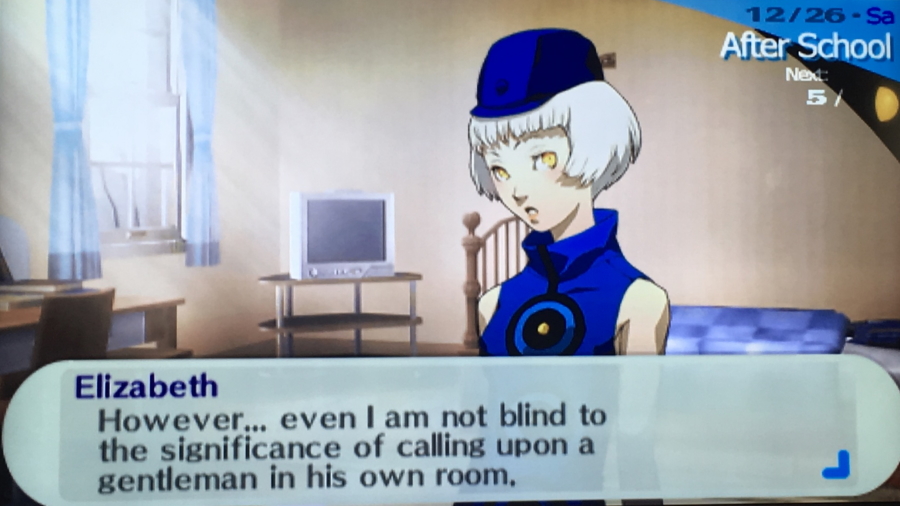
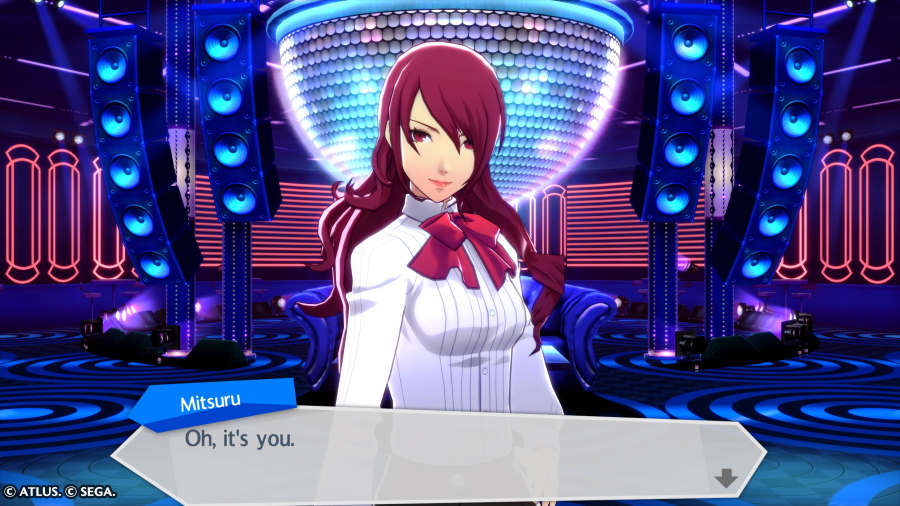
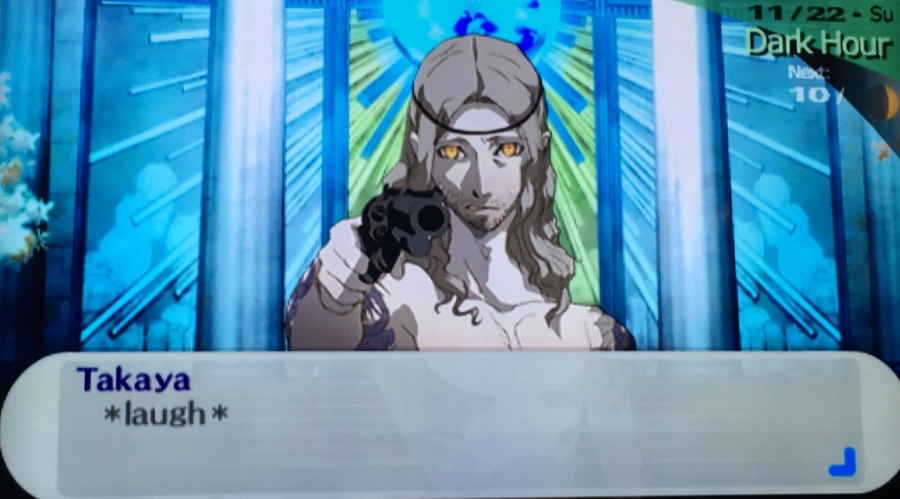
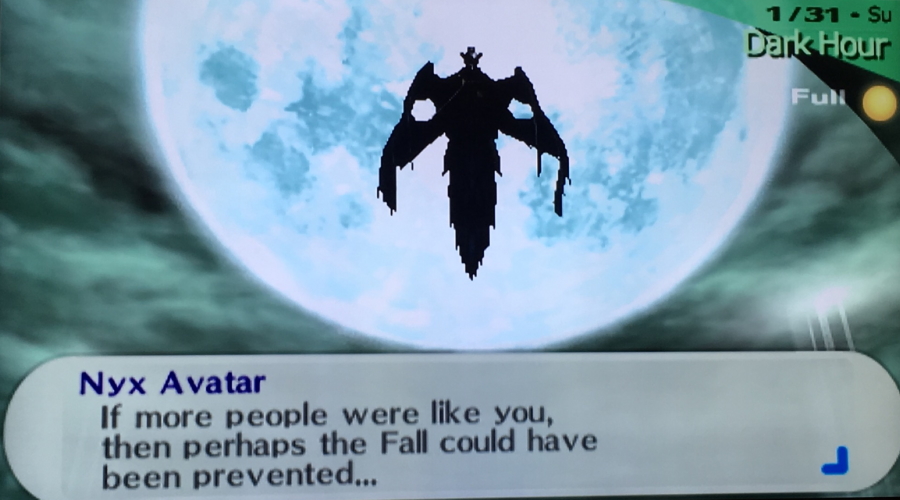
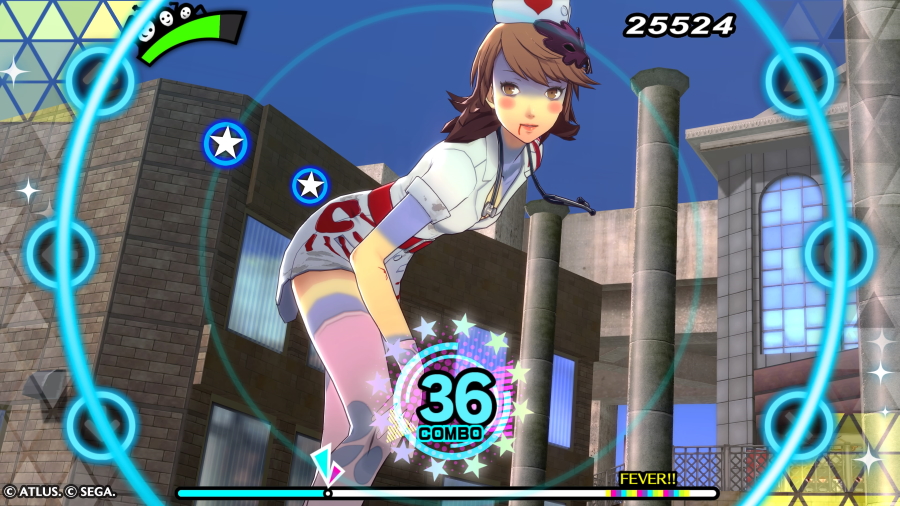
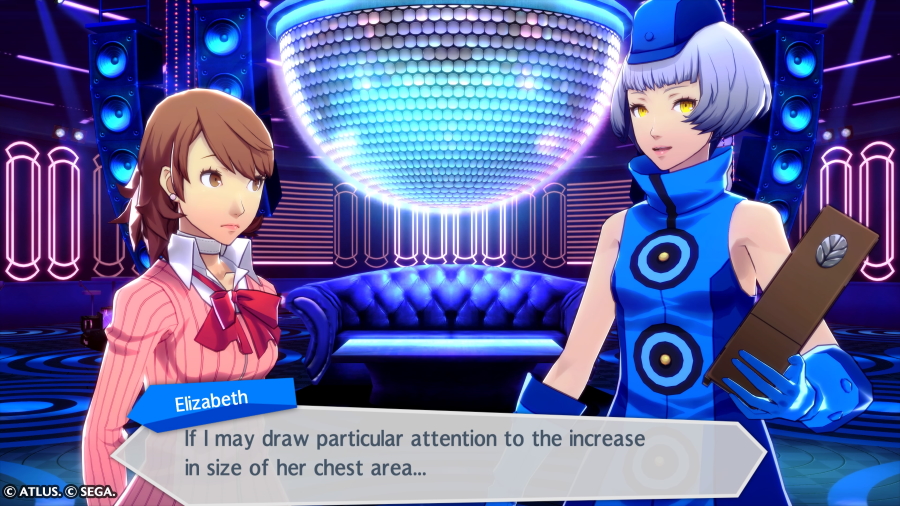
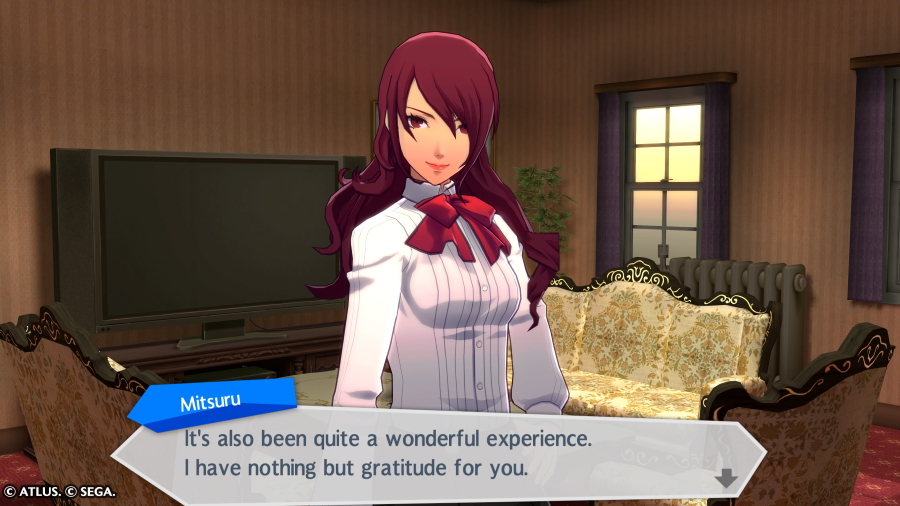
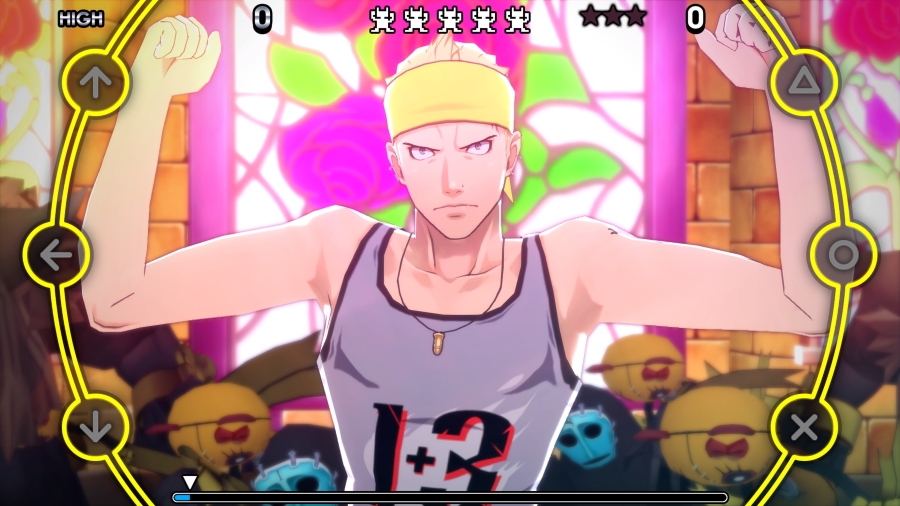
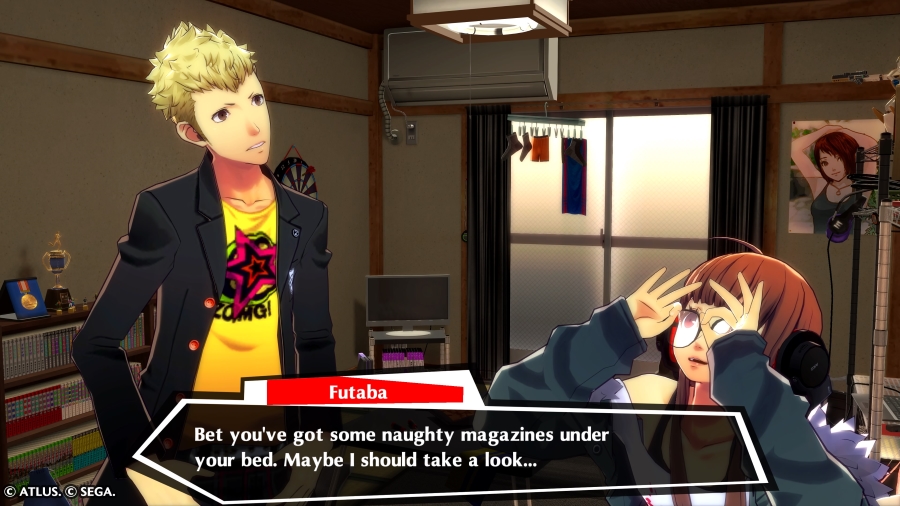
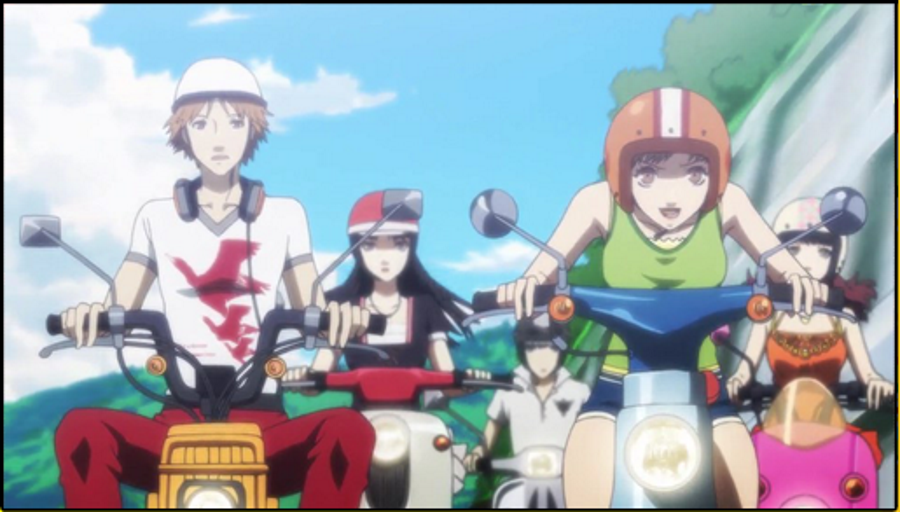
I’m finishing the rough version of this post at 9:21pm on New Year’s Eve in my time zone, so I fulfilled my promise to myself to get it done before the new year, heh. Hopefully I can get it edited and up by midnight. Either way, if you’re reading this, I hope you had a great 2024 filled with amazing games and other fulfilling hobbies, and I hope your 2025 is even better. And let’s end with a Persona 3 Reload screenshot dump because I ended up uploading a ton, expecting I’d write a whole post about it, but now they have no home. So… welcome home, little screenshots.













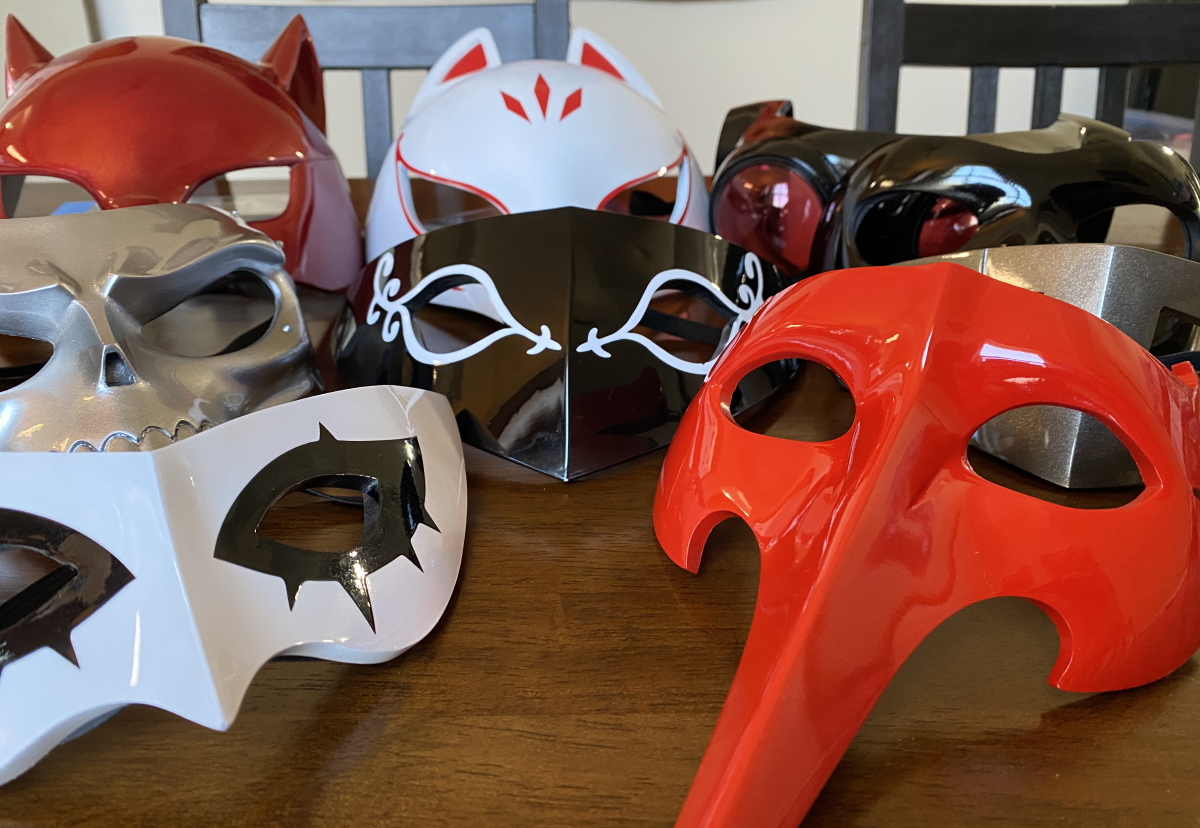


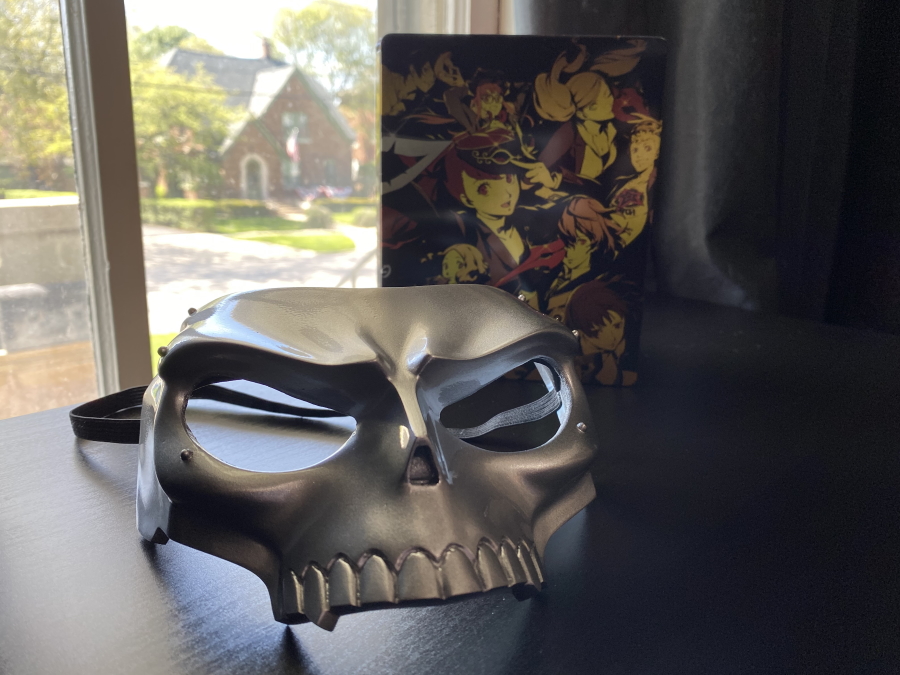
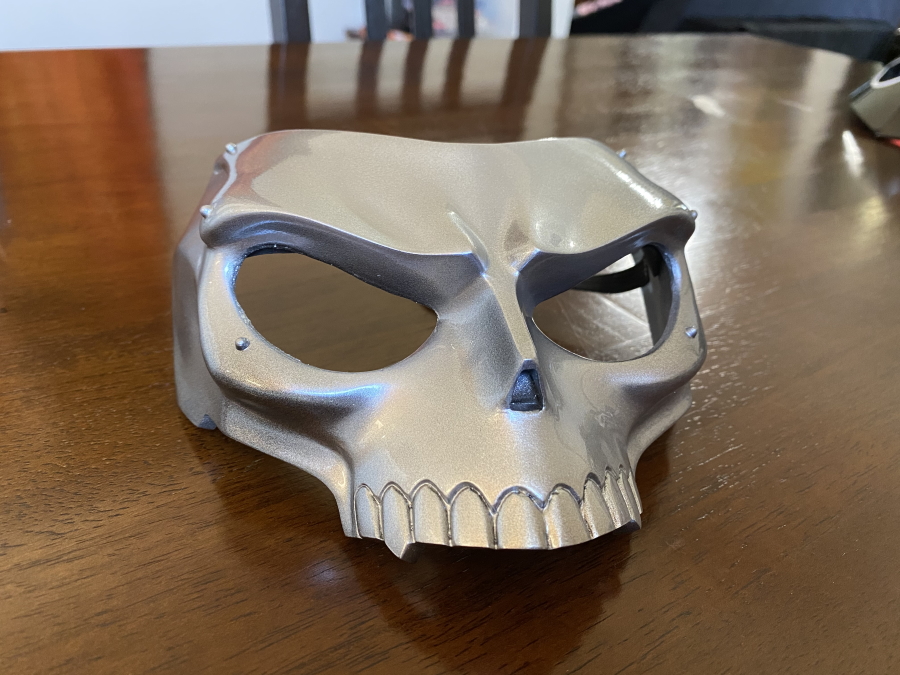

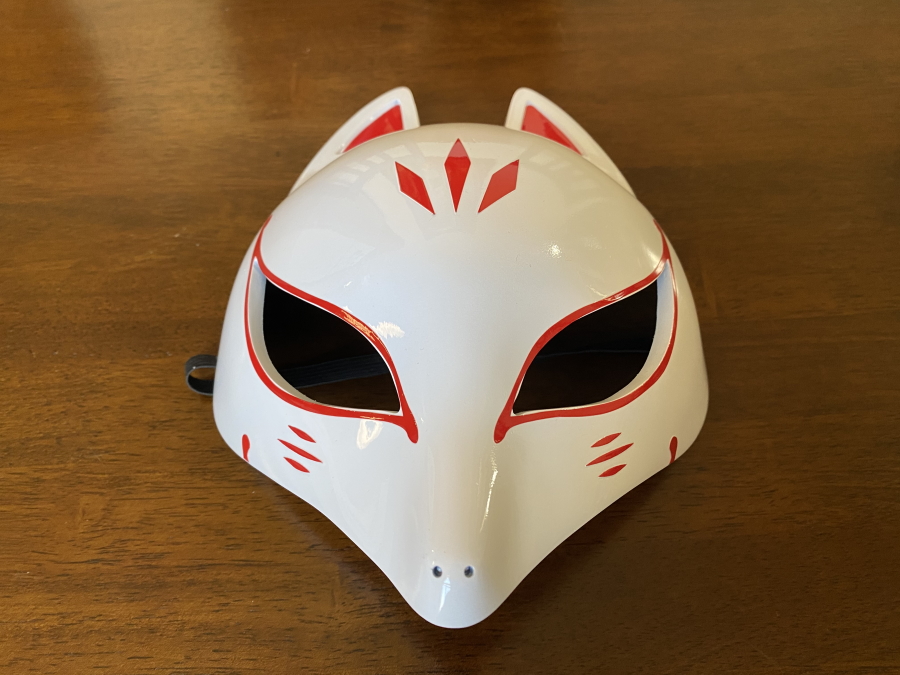





















 A New Game Plus